

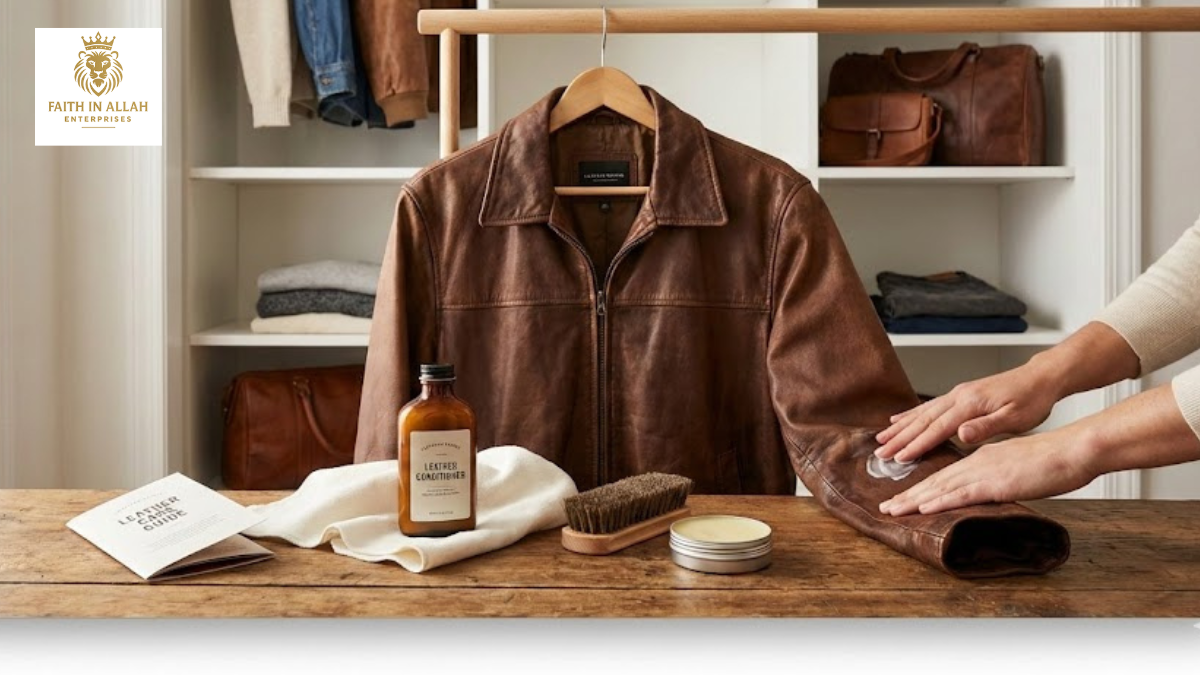
A great leather jacket is more than just clothing, it’s a statement. It’s that one item in your closet that makes you feel instantly cool and ready for anything. But this wardrobe hero needs a little help to stay in fighting shape. Without the right leather jacket care, your tough, stylish sidekick can end up looking dry, cracked, and sad.
Think of your jacket like a classic car; it’s a timeless investment that needs regular attention to keep running smoothly and looking sharp. Learning how to protect your leather jacket from rain, sun, and even just the air in your closet is the secret to making it last a lifetime. Proper maintenance isn’t complicated, but it is essential.
Understanding Leather Types
Before you dive headfirst into scrubbing and polishing, hit the pause button. You wouldn’t wash a delicate silk shirt the same way you wash sturdy denim jeans, right? Leather is exactly the same. Knowing your specific leather types is the secret sauce to proper leather jacket care. If you treat a soft suede jacket like a tough biker jacket, you might accidentally ruin it.
What Are the Different Types of Leather Used in Jackets?
You will usually meet three main characters in the leather world:
- Full Grain Leather: This is the real deal, the cream of the crop. It uses the entire hide, imperfections and all. It is super tough and actually gets better looking (developing that cool, worn in look) as it gets older.
- Top Grain Leather: Think of this as the runner up. The very top layer has been sanded down to make it look smooth and uniform. It resists stains well but isn’t quite as durable as full grain.
- Suede & Nubuck: These are the softies. They are made from the underside of the hide (suede) or the top side that has been buffed to feel velvety (nubuck). They feel amazing but are terrified of water.
How Does Leather Type Affect Maintenance?
This is where leather maintenance gets specific. Because full grain and top grain leathers still have that tough outer skin, they can handle a little bit of moisture and are easier to wipe down. They love a good conditioner to stay flexible.
Suede and nubuck, on the other hand, act like sponges. If you get them wet, they spot easily. For these, you have to skip the heavy creams and stick to dry brushes and protective sprays. Understanding these simple differences is the key to keeping your jacket looking fresh for years.
Cleaning Your Leather Jacket
So, you’ve worn your jacket out on the town, and now it’s looking a little less than fresh. Don’t panic! Spills, dust, and everyday grime happen. Proper cleaning of leather jackets is a crucial part of leather jacket care, and it’s not as scary as it sounds. The key is to be gentle and use the right stuff.
How to Clean a Leather Jacket Without Damaging It
For standard leather (like full grain or top grain), the golden rule is to start simple. Mix a tiny bit of mild soap with lukewarm water. Dip a soft cloth into the soapy water, wring it out completely, and gently wipe down the jacket. Follow up with a dry cloth to buff it dry. Always test your cleaning solution on a small, hidden spot first, like the inside of a cuff, to make sure it doesn’t cause any discoloration.
Step by Step Guide to Cleaning Suede Jackets
Suede is a different beast entirely. Water is its enemy. For suede, your best friends are a dedicated suede brush and a suede eraser.
- Use the brush to gently whisk away any loose dirt or dust. Always brush in the same direction.
- For small scuffs or marks, use the suede eraser and gently rub the spot.
- If you have a tougher stain, it’s best to use a cleaner made specifically for suede.
Common Cleaning Mistakes to Avoid
Learning how to clean a leather jacket also means knowing what not to do. Never throw your leather jacket in the washing machine, it will strip the natural oils and leave it stiff and cracked. Also, stay away from harsh household cleaners, bleach, or ammonia based products. These chemicals are far too aggressive and will do more harm than good, ruining the leather’s finish.
Conditioning and Hydrating Leather
If cleaning is like giving your leather jacket a quick shower, then conditioning is like putting on lotion afterward. It’s the single most important step for long term health. Without proper leather hydration, the natural oils in the hide dry out, leaving it brittle, sad, and prone to cracking. A good conditioning session brings that suppleness right back.
Why Conditioning Is Essential for Leather Longevity
Think of leather as skin, because it is! Just like your own skin gets dry, leather loses its natural moisture over time, especially when exposed to sun and dry air. Leather conditioning replenishes those lost oils, keeping the fibers flexible and strong. This simple step prevents the heartbreaking cracks and splits that send beautiful jackets to an early grave. Regular conditioning is your secret weapon to ensure your jacket ages gracefully, developing a rich character instead of just falling apart.
How to Choose the Best Leather Conditioner
With so many products out there, how do you find the best leather conditioner? Look for a product specifically designed for leather goods, not a generic household oil. Good conditioners will be absorbed easily without leaving a greasy residue. Avoid anything with harsh chemicals or silicones, which can clog the leather’s pores. A quality, natural formula is always a safe bet. When in doubt, test a small amount on an inconspicuous area first.
DIY Leather Conditioner Recipes
You might see online guides suggesting things like olive oil or coconut oil as a DIY conditioner. While it can seem like a cheap and easy fix, it’s a risky move. Kitchen oils can turn rancid, attract dirt, and permanently darken your jacket. In most cases, it’s better to invest a few dollars in a professionally formulated product. Your jacket is an investment, so it’s worth using a conditioner you can trust to protect it properly.
Protecting Leather Jackets from Damage
Think of yourself as a bodyguard for your leather jacket. Your mission is to shield it from its natural enemies: sun, rain, and dryness. Proactive protection is the best form of leather jacket care. By taking a few simple steps, you can stop damage before it even thinks about starting and keep your jacket looking bold and beautiful.
How to Prevent Cracking, Peeling, and Fading
Cracking and peeling happen when leather gets too dry. Fading is often the work of direct sunlight. The best defense is a good offense. Regular conditioning, as we covered earlier, keeps the leather moist and flexible, which is your number one tool to prevent leather cracking. Keep your jacket out of direct sunlight when you’re not wearing it to stop the color from fading over time.
Best Practices for Waterproofing Leather Jackets
While leather can handle a light sprinkle, a downpour is another story. Water can strip away the natural oils and leave behind ugly spots. For serious weather protection, consider using a waterproofing spray specifically made for leather. Apply a light, even coat and let it dry completely. This creates an invisible shield that makes raindrops bead up and roll right off. Reapply this treatment once or twice a year, especially before the rainy season starts.
How to Protect Leather Jackets from Sun Damage
The sun’s UV rays are not your jacket’s friend. Just like they can damage your skin, they can cause the color of your leather to fade and the material to dry out. The easiest way to protect your leather jacket is to avoid leaving it in direct sunlight for long periods. Don’t leave it on the back seat of your car or hanging near a sunny window. A little sun exposure is fine, but constant exposure will take its toll.
Storing Leather Jackets
Your jacket spends more time in your closet than on your back, so how you store it is a huge part of its long term health. Tossing it on a chair or cramming it into a crowded closet is a surefire way to invite wrinkles, creases, and even mold. Proper storing of leather jackets is simple, but it makes all the difference in keeping your investment safe and sound.
How to Store Leather Jackets to Prevent Mold and Mildew
Leather’s worst nightmare is being stored in a damp, dark place with no airflow. This is a perfect breeding ground for mold and mildew. To prevent mold on leather, always store your jacket in a cool, dry area. Never, ever keep it in a plastic bag or container. Plastic traps moisture and suffocates the leather. Instead, use a breathable garment bag made of cotton or mesh if you need to cover it.
The Best Hangers and Storage Solutions for Leather Jackets
Those flimsy wire hangers from the dry cleaner? They’re a big no. They can stretch and distort the shoulders of your jacket over time. You need a sturdy, wide, and preferably padded hanger that can support the jacket’s weight and maintain its natural shape. Give your jacket some personal space in the closet so air can circulate around it. This small detail is a cornerstone of effective leather jacket care.
How to Keep Leather Jackets Looking New for Years
By combining good storage habits with regular care, you can keep your jacket looking pristine. Before storing it for a long period (like over the summer), give it a quick wipe down and a light conditioning. This ensures it doesn’t dry out while it’s hanging out in the closet. When you take it out again, it will be supple, fresh, and ready for action.
Repairing and Restoring Leather Jackets
Even with the best care routine in the world, accidents happen. Maybe you snagged your sleeve on a door handle, or maybe you just wore your favorite piece every single day for ten years. Before you panic and toss it in the donation bin, know that you can often repair a leather jacket and bring it back to life.
How to Fix a Cracked Leather Jacket
If you spot tiny spiderwebs of cracks appearing, don’t worry, it’s not game over yet. For minor surface cracks, a leather repair kit is your best friend. Think of it like using spackle on a wall. You clean the area, apply a flexible filler to smooth out the surface, and then dab on a color matched dye. This simple DIY process can fix cracked leather and stop those cracks from turning into giant tears.
Can You Repair Peeling Leather? Expert Tips
Peeling is a bit trickier. Real, high quality leather (like full grain) rarely peels; usually, it’s the finish or a synthetic coating that is flaking off. If the peeling is minor, you can sometimes smooth it down with a leather binder or glue. However, if large chunks are coming off, it might be a sign that the material is bonded or faux leather reaching the end of its life. In this case, a full repair might be difficult to pull off at home.
When to Seek Professional Help for Leather Repairs
Know your limits! If you have a deep tear that goes all the way through the hide, a broken zipper, or severe discoloration, it is time to call in the cavalry. Professional leather restoration experts have tools and dyes that you can’t buy at the store. If your jacket is a cherished investment, paying a pro is worth every penny to get it looking right again.
Advanced Leather Care Tips
Ready to level up your leather game? Once you’ve mastered the basics, a few advanced leather care tips can help you tackle unique challenges. Whether you live in a swampy climate, scored a cool vintage find, or rock a pristine white jacket, these expert tricks will keep you covered.
How to Maintain Leather Jackets in Humid Climates
Humidity is the arch nemesis of leather because it creates the perfect environment for mold and mildew. If you live somewhere muggy, your top priority is keeping your jacket dry. Don’t store it in a stuffy basement or crowded closet. Give it room to breathe! You can also place silica gel packets (those little packets that come in new shoe boxes) in the pockets to absorb excess moisture. Airing out your jacket regularly is also a great way to maintain leather jackets in damp conditions.
Caring for Vintage and Antique Leather Jackets
That awesome thrift store find might look cool, but old leather is often very dry and fragile. It needs extra gentle care. Before you do anything, test any cleaner or conditioner on a hidden spot. The leather might be too brittle to handle modern products. For vintage pieces, it’s often best to use a conditioner specifically designed for older leather. Apply it in very thin layers, allowing it to absorb fully between coats. Patience is key to bringing an old jacket back to life without causing more damage.
How to Clean White Leather Jackets
A white leather jacket is a bold statement, but it shows every single smudge. The trick to clean white leather jackets is to act fast. For fresh stains, a simple mix of mild soap and water usually does the trick. For tougher marks like ink, try using a cotton swab dipped in rubbing alcohol, but be incredibly gentle and test it first! Avoid colored cloths that could transfer dye, and always use a clean, white cloth for wiping and buffing.
FAQs
Can You Wash a Leather Jacket in a Washing Machine?
The short answer: No! Please, never do this.
The long answer: Washing machines are too rough for leather. The tumbling action can tear the material, and the excessive water and detergent will strip away natural oils instantly. You will likely end up with a stiff, shrunken, and cracked mess. Stick to spot cleaning or professional dry cleaning to keep your jacket safe.
How Often Should You Condition a Leather Jacket?
You don’t need to overdo it. For most people, giving your jacket a good conditioning treatment once or twice a year is perfect. If you wear it every single day or live in a really dry climate, you might need to condition a leather jacket a bit more often. Listen to the leather, if it feels dry or looks dull, it’s asking for a drink.
What’s the Best Way to Remove Odors from Leather Jackets?
Smells like smoke, sweat, or food can stick to leather. The best trick to remove odors from leather jackets is fresh air. Hang your jacket outside in a shaded, breezy spot for a day. If the smell is stubborn, put the jacket in a breathable bag with an open box of baking soda for 24 hours. The baking soda absorbs the bad smells without damaging the leather. Avoid spraying heavy perfumes directly on the jacket, as the alcohol can dry it out.
Conclusion
Taking care of your leather jacket doesn’t have to be a complicated chore. As you’ve seen, a little bit of know how goes a long way. From understanding your leather type to cleaning, conditioning, and storing it correctly, you now have all the tools you need for effective leather jacket care. These simple habits are the secret to keeping your jacket looking incredible for years, not just seasons.


