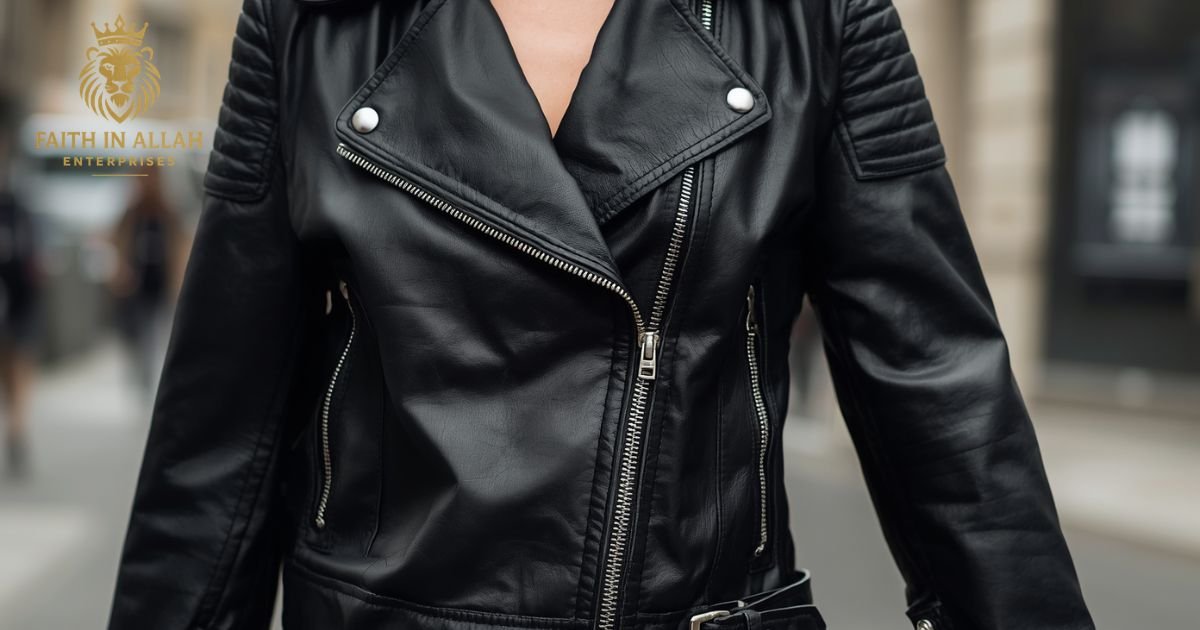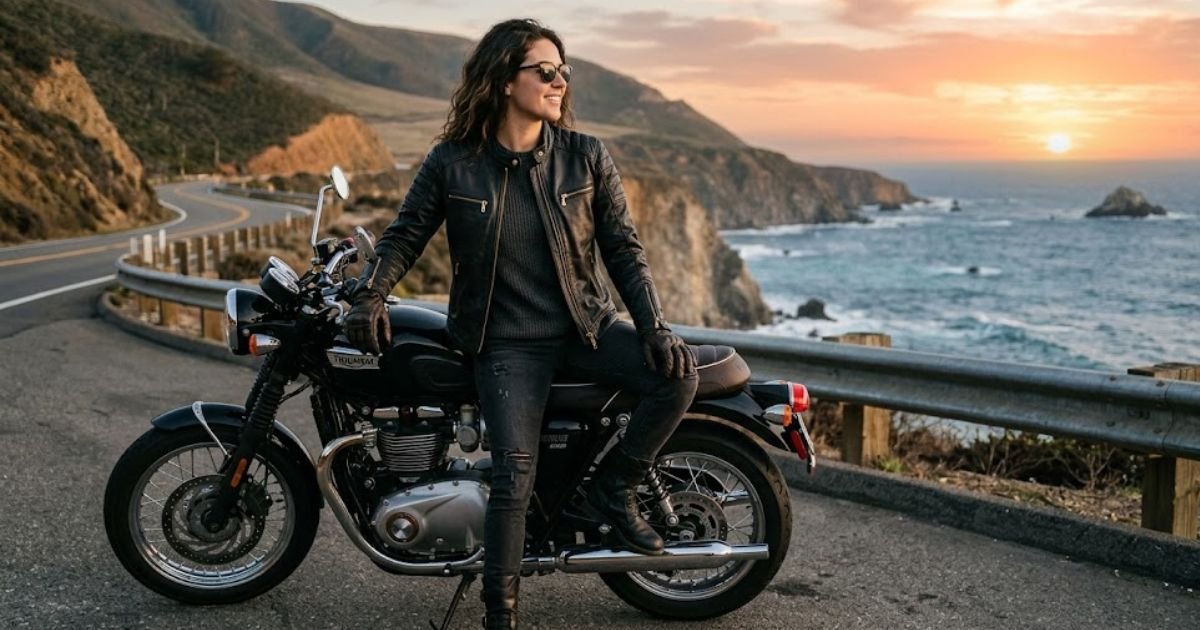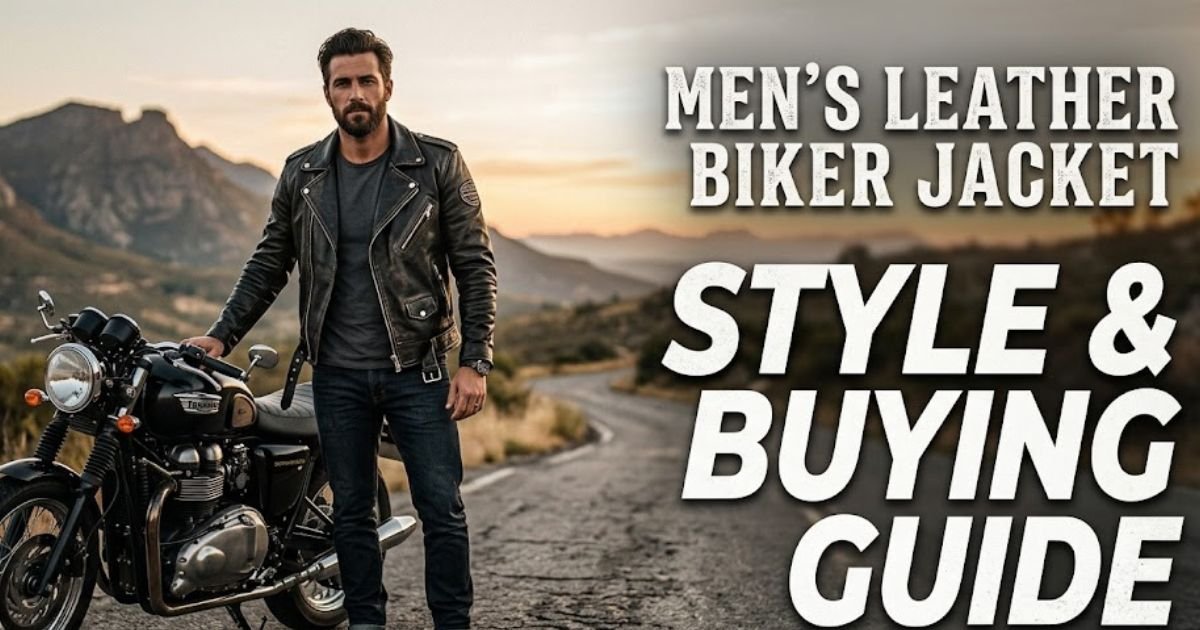
A men’s leather biker jacket is a timeless fashion staple that blends rugged attitude with modern style. Originally designed for motorcyclists for protection and durability, it has now become a symbol of confidence and edgy streetwear. Whether you’re dressing up for a night out or adding personality to a casual outfit, a biker jacket instantly elevates your look. Choosing the right fit, leather quality, and design details can make all the difference in both comfort and style.
Why Men Are Still Buying Leather Biker Jackets in 2026
Men dominate the leather jacket category. According to Mordor Intelligence (2024), men held 60.24% of global leather jacket market share a figure driven by sustained demand from both actual riders and fashion-conscious buyers who want outerwear that lasts longer than a seasonal trend.
That durability argument is real. A well-constructed leather jacket outlasts most other outerwear by years, sometimes decades. It doesn’t depreciate the way fast fashion does.
Here’s the thing: the market has gotten noisy. There are thousands of jackets priced between $80 and $600 that all look similar in product photos. The difference between them in material grade, construction, and protection is enormous. And most buyers don’t find that out until after purchase.
Cowhide vs Lambskin vs Buffalo Which Leather Actually Matters
A quick breakdown by use:
| Leather Type | Best For | Key Benefit | Limitation |
| Cowhide | Riding + daily wear | Thick, abrasion-resistant, durable | Heavier, stiff initially |
| Lambskin | Fashion/style only | Soft, lightweight, luxury feel | Tears easily, minimal road protection |
| Buffalo hide | Riding, rugged use | Extremely tough, natural texture | Very stiff, limited style options |
| Goatskin | Casual wear + mild riding | Tear-resistant, soft, lightweight | Less common, harder to find |
Quick Comparison Cowhide vs. Lambskin: Cowhide is better suited for motorcycle riding because it provides abrasion resistance that meets basic safety thresholds. Lambskin works better when the priority is fashion versatility and lightweight comfort. The key difference is structural: cowhide is cut thicker by default, lambskin is split thinner for softness.
Fashion Biker Jacket vs CE-Rated Riding Jacket The Gap Nobody Talks About
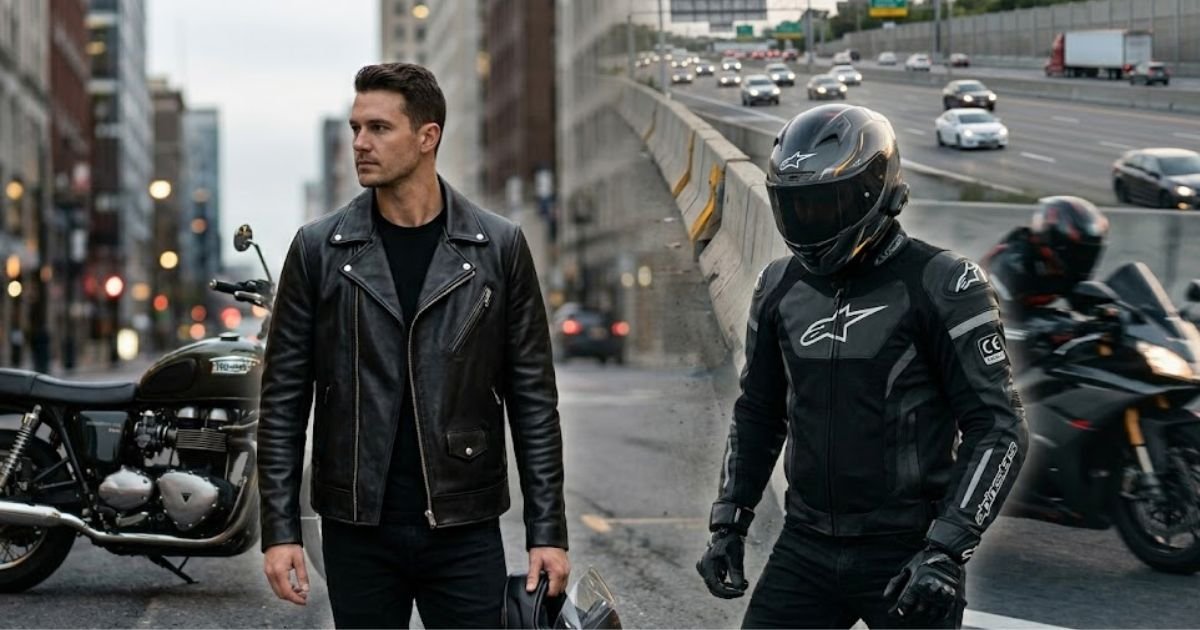
At first glance, a fashion biker jacket and a CE-rated riding jacket may look almost identical, but they serve completely different purposes. One is built for style and everyday wear, while the other is engineered for protection on the road. This gap between appearance and performance is something many riders overlook, often leading to risky choices when it comes to safety gear.
Purpose and Design Difference
A fashion biker jacket is designed mainly for aesthetics, focusing on trends, fit, and style. It uses lighter materials and may not include proper impact protection. On the other hand, a CE-rated riding jacket is built specifically for motorcycling, featuring reinforced armor, abrasion-resistant materials, and tested safety standards to protect riders in case of accidents.
Safety vs Style What You’re Really Paying For
When you choose a fashion jacket, you are paying for looks and versatility in casual outfits. However, a CE-rated jacket invests in certified safety features that can significantly reduce injury risk during a crash. The real difference lies in protection style alone won’t save you on the road, but certified gear is designed to.
The Brands Worth Knowing and One You Should Benchmark Against
Schott NYC Perfecto is the original reference point. When people picture a male leather biker jacket, they’re usually picturing the Perfecto asymmetric zip, epaulets, belted waist, silver hardware. It’s been in production since 1928. Prices run $700–$1,100+, which makes it aspirational for most buyers. But knowing what it looks like helps you evaluate cheaper alternatives that copy its DNA.
Dainese Chiodo solves the style-vs-safety problem better than almost anything at its price tier. It trades the Schott’s busy hardware for minimal all-black finishing, adds CE-A armor, and includes a waterproof pocket. It’s the answer for buyers who actually ride and don’t want a jacket that screams “motorcyclist” in social settings.
Daniel Smart MFG occupies the volume market broad sizing, competitive pricing, and wide availability. Their jackets are styled well but rarely specify leather grade clearly. They’re a reasonable starting point for fashion wear, not recommended as primary riding protection.
I’ve seen conflicting data on this some sources list Daniel Smart as using “premium cowhide” across their range, others categorize the same jackets as “genuine leather” blends. My read is: verify the specific SKU’s leather grade before purchasing for riding purposes.
How to Check If a Leather Jacket Is Actually Real Leather
Look if you’re buying online for the first time, here’s what actually works.
The “burn test” is often cited. Real leather chars slowly and smells like burnt hair; faux leather melts and smells chemical. That test is destructive and useless before purchase.
More practical signals:
- Smell it real leather has an earthy, organic scent even when new. Strong chemical or plastic smell is a red flag.
- Check the edges genuine leather has uneven, fibrous edges on the inside. Bonded leather and faux leather have clean, uniform cut edges that look laminated.
- Feel the surface texture real leather has natural grain variation. Perfect uniformity across the entire surface usually means synthetic backing.
- Read the label precisely “genuine leather” is the lowest grade of real leather (made from scraps and bonded layers). “Full-grain” or “top-grain” are the grades worth paying for.
Fit, Sizing, and the Break-In Reality
A perfect biker jacket isn’t just about looks it’s about how it fits your body, how you choose the right size, and how it evolves after a few wears. Many people get disappointed simply because they ignore the “break-in” phase, where the jacket slowly adapts to your shape and becomes more comfortable over time.
Getting the Right Fit: More Than Just Numbers
Fit is everything when it comes to biker jackets. A good jacket should feel snug on the shoulders, sit properly on your waist, and allow easy arm movement without feeling loose or baggy. If it’s too tight, it restricts movement; too loose, and it loses that sharp, structured biker look. Always try to match fit with your body shape, not just the size tag.
Sizing & Break-In Reality: Why New Jackets Feel Stiff
Sizing can vary between brands, especially in leather and faux leather jackets. That’s why checking measurements is more important than relying on S, M, or L labels. On top of that, new jackets often feel stiff at first—that’s completely normal. With regular wear, the material softens, molds to your body, and starts feeling like a second skin. This “break-in period” is what transforms a good jacket into your personal favorite.
Conclusion
A men’s leather biker jacket is more than just outerwear it’s a timeless style statement that never goes out of fashion. Whether you prefer a classic black design or a modern slim-fit cut, the right jacket can instantly upgrade your look and confidence. When choosing one, focus on quality leather, proper fit, and comfortable movement so it lasts for years. With the right care and styling, a biker jacket becomes a long-term investment that works for casual wear, night outings, and even semi-formal street-style looks.
FAQs
What’s the best leather for a men’s biker jacket?
Cowhide is best for riding it’s thick and abrasion-resistant. Lambskin is better for fashion-only use. Full-grain or top-grain cowhide gives the longest lifespan and best protection.
How do I know if a leather jacket is real leather?
Check the cut edges real leather has fibrous, uneven edges inside. Faux and bonded leather have clean, laminated-looking edges. “Full-grain” on the label is the clearest indicator of quality real leather.
Should I buy a CE-rated biker jacket if I ride a motorcycle?
Yes. CE Level 1 or Level 2 armor at the elbows and shoulders makes a meaningful difference in a slide or impact. Fashion biker jackets provide friction reduction only not certified impact protection.
Why does my leather jacket feel so stiff when new?
Cowhide leather is naturally firm and requires 30–60 hours of wear to soften and conform to your body. This is normal and expected for quality cowhide. If a jacket is immediately soft and pliable, it’s likely lambskin or a lower-grade leather.
When should I spend more on a leather biker jacket?
Spend more if you ride regularly, plan to own the jacket for 5+ years, or need CE certification. Budget options make sense for occasional fashion wear only. The Schott Perfecto and Dainese Chiodo represent the benchmark for quality at their respective price points.