

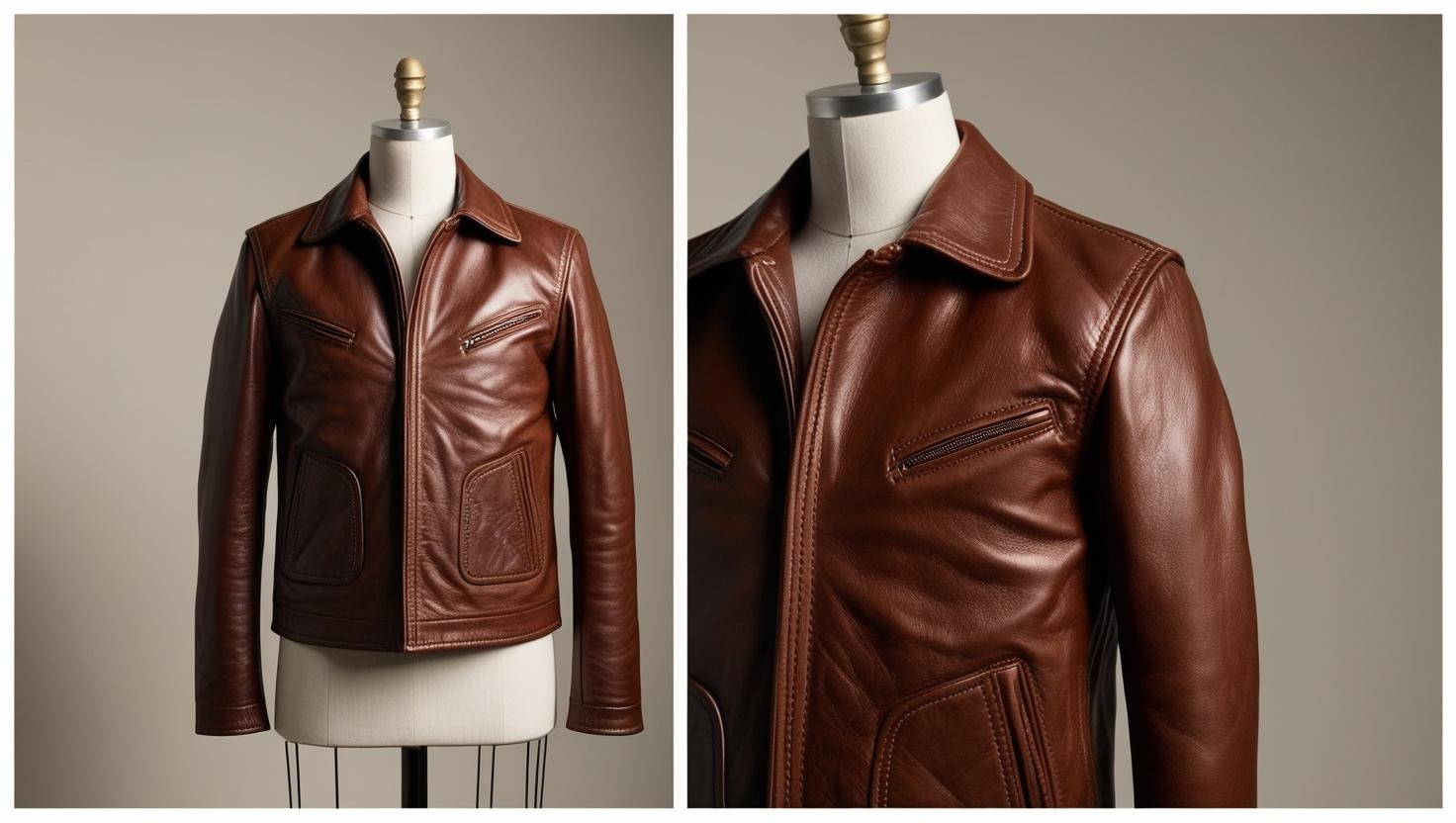
Your leather jacket is more than just an item of clothing, it’s a statement piece, a trusted companion on cool evenings, and often, a significant investment. As the weather warms up, you might be tempted to toss it into the back of your closet until fall. But wait! How you store your leather jacket during its off season is crucial for keeping it looking amazing for years to come. Proper leather jacket storage isn’t just about making space, it’s about preserving the jacket.
Learning how to store leather jackets properly protects them from some unfortunate fates. We’re talking about frustrating cracks, strange discoloration, and even the dreaded mold. A little bit of care now saves you from a world of heartache later. This guide will walk you through everything you need to know about storing leather jackets in summer, ensuring your favorite piece is ready for action when the temperatures drop again.
Preparing Your Leather Jacket for Storage
Before your jacket goes into hibernation, some preparation is in order. Think of it as a spa day for your leather. Taking these steps ensures it stays healthy, happy, and ready for its next adventure. Skipping this prep can lead to dirt and oils setting in, which can cause long term damage.
Cleaning Your Leather Jacket: Step by Step Guide
First things first, you need to clean your jacket. Even if it appears clean, invisible dust, oils from your skin, and tiny particles of dirt can accumulate. Over a few months, these can harm the leather. A gentle cleaning is one of the most essential tips for leather care.
- Dust it off: Start by gently wiping the jacket down with a soft, dry cloth. This removes any surface dust and debris.
- Mix a mild solution: If you see any light spots, mix a simple cleaning solution. A few drops of mild soap (like baby soap) in a bowl of distilled water works wonders. Tap water can have minerals that might stain the leather.
- Spot test: Always test your cleaning solution on an inconspicuous area, such as the inside of a cuff or hem. Please wait for it to dry to make sure it doesn’t cause any discoloration.
- Wipe it down: Dip a clean cloth into your soapy water, wring it out until it’s just damp, and gently wipe the entire jacket. Pay extra attention to the collar and cuffs, as these areas tend to collect more oils.
- Rinse and dry: Use a second damp cloth (this time with just plain distilled water) to wipe away any soap residue. Finally, pat the jacket dry with a soft towel and let it air dry completely, away from direct heat or sunlight. For severe stains, consider professional leather cleaning for safety.
Why Conditioning Your Leather Jacket is Essential
After cleaning, it’s time to condition. Leather is a natural material, and just like skin, it can dry out and crack if it isn’t moisturized. A good leather conditioner restores essential oils, keeping the material soft, flexible, and supple. This step is a game changer for long term storage of leather jackets.
Choose a quality leather conditioner and apply a small amount to a clean cloth. Work it into the leather in gentle, circular motions. Let the conditioner soak in for an hour or so, then use another clean cloth to buff off any excess. Conditioning creates a protective barrier that helps your jacket withstand changes in temperature and humidity while it’s stored.
How to Inspect for Damage Before Storage
The final prep step is a quick inspection. Look over your jacket carefully for any hidden issues. Inspect the seams for loose threads and verify that all zippers and buttons operate correctly. Look for any small tears, scuffs, or areas where the color might be fading.
Catching these issues now gives you time to get them repaired before they become bigger problems. It’s much easier to fix a small tear than to deal with a large rip that happens when you pull your jacket out in the fall. This quick check is one of the best storage practices for leather garments.
Choosing the Right Storage Materials
Now that your jacket is clean and conditioned, you need to find it a suitable temporary home. The materials you use for storage are just as necessary as the location. The goal is to protect your jacket from dust, pests, and moisture while still allowing it to breathe.
What Are the Best Storage Bags for Leather Jackets?
The number one rule of leather storage is to avoid plastic. Never store your leather jacket in a plastic bag or a sealed container. Plastic traps moisture and prevents air from circulating, creating a humid environment that can lead to the growth of mildew, mold, and discoloration. It suffocates the leather.
Instead, opt for breathable garment bags. Bags made from cotton, muslin, or a non woven fabric are perfect. These materials protect your jacket from dust and light while allowing air to flow freely. This helps maintain a stable moisture level, preventing the leather from drying out or becoming damp.
Why You Should Avoid Plastic Bags and Containers
Let’s repeat it for the people in the back: avoid plastic storage at all costs. Those plastic dry cleaner bags are only meant for getting your clothes home from the shop, not for long term storage. Storing a leather jacket in plastic is one of the fastest ways to ruin it. The trapped moisture can cause the leather to rot, and the lack of airflow can make the jacket smell musty. It’s a recipe for disaster.
The Role of Acid Free Paper in Leather Storage
If you need to store your jacket flat or are concerned about its shape, acid free paper is your best friend. You can gently stuff the sleeves and body of the coat with crumpled acid free paper. This helps the jacket hold its shape and prevents deep creases from forming.
You can also wrap metal zippers or buttons with a small piece of acid free paper to prevent them from scratching or pressing into the leather over time. It’s a small, inexpensive step that offers a tremendous amount of protection.
Finding the Perfect Storage Location
Where you store your jacket is critical. The ideal storage location will protect your coat from extreme temperatures, humidity, and sunlight. Finding that perfect spot in your home is key to successful leather jacket storage.
How to Choose a Cool, Dry, and Dark Space
Leather’s three biggest enemies are heat, humidity, and light. Direct sunlight will fade and dry out the leather, causing it to become brittle and crack. High heat can cause the leather to warp or shrink, while high humidity encourages the growth of mold and mildew.
Therefore, the best storage locations for leather jackets are cool, dry, and dark. A spare closet in a temperature controlled room is often the perfect choice. Ensure there’s sufficient space for air to circulate in the jacket. Don’t cram it between a bunch of other clothes.
Why Attics and Basements Are Not Ideal
While they seem like convenient spots for storage, attics and basements are generally terrible for leather. Attics can become extremely hot in the summer, which can cause the leather to cook and dry out completely. Basements are often damp and humid, creating the perfect breeding ground for mold.
Unless your attic or basement is fully finished and climate controlled, it’s best to find an alternative location. Storing your jacket in these environments is a risky gamble that you’ll likely lose.
Can You Store Leather Jackets in a Closet?
A closet is often the go to choice for storing leather jackets, and for good reason. It’s typically dark and offers protection from dust. However, not all closets are created equal.
Pros:
- Protection: A closet shields the jacket from sunlight and dust.
- Convenience: It’s an easy and accessible storage spot.
Cons:
- Poor Ventilation: Overcrowded closets can have poor airflow, which can trap moisture.
- Temperature Fluctuations: A closet located on an external wall may experience more significant temperature fluctuations.
If you choose a closet, make sure it’s not overstuffed. Leave some space between your leather jacket and other items to allow air to move. If you live in a particularly humid area, consider placing a moisture absorber inside your closet to help keep it dry and fresh.
Proper Techniques for Storing Leather Jackets
How you physically store your jacket can significantly impact its condition when you retrieve it. The primary debate is usually whether to hang it or fold it. Let’s break down the best approach to prevent creases in leather jackets.
Should You Hang or Fold Your Leather Jacket?
For most leather jackets, hanging is the superior method. Hanging helps the jacket maintain its natural shape and prevents the permanent creases that can develop from folding. Leather has a “memory,” and if it’s folded for months, those folds can become a permanent part of the jacket.
However, if you have a hefty leather jacket, hanging it for an extended period could cause the shoulders to stretch. In this rare case, laying it flat in a breathable container, with acid free paper for support, might be a better option. For the vast majority of jackets, however, hanging is the preferred method.
The Best Hangers for Leather Jackets: What to Look For
The hanger you use matters. A thin wire or flimsy plastic hanger will not do. These can dig into the shoulders of your jacket, causing ugly indentations and stretching the leather. The weight of the coat will cause these weak hangers to sag, distorting its shape.
Instead, invest in a wide, padded, or wooden hanger. A cedar hanger is an excellent choice, as it not only provides sturdy support but also helps absorb moisture and repel moths. The wide, curved shape of a proper hanger will support the jacket’s shoulders and help it keep its form.
How to Prevent Creases and Maintain Shape
To keep your jacket looking sharp, make sure it has room to breathe in the closet. Don’t squash it between other clothes. Zip it up and button it to help it maintain its structure. If you used acid free paper to stuff the sleeves, this will also help prevent unwanted wrinkles. A little bit of care in how you hang it will pay off big time.
Controlling Humidity and Moisture
Humidity is leather’s silent enemy. Excessive moisture in the air can lead to severe consequences for your jacket. Taking steps to control the humidity in your storage area is a non negotiable part of your storage plan, especially if you want to prevent your leather jacket from rotting.
How Does Humidity Affect Leather Jackets?
When the air is too humid, leather absorbs that excess moisture. This can cause the leather to swell, creating a perfect environment for mold and mildew to grow. Once mold takes hold, it can be tough to remove and may permanently stain and weaken the leather.
On the other hand, an environment that is too dry can also be a problem, as it can cause the leather to lose its natural oils and become brittle. The goal is to find a happy medium, with a relative humidity level of around 40-50%.
Tips for Using Silica Gel Packets and Dehumidifiers
If you live in a humid climate, you may need to take extra steps. Placing a few silica gel packets in the pockets of your jacket can help absorb any excess moisture. These are the small packets of duplicates you often find in new shoes and electronics.
For a more robust solution, consider using a small, portable dehumidifier in your closet or storage room. This will help maintain a consistent and safe humidity level. It’s one of the best ways to protect your jacket if you’re wondering how to store leather jackets in humid climates.
How to Prevent Mold and Mildew During Storage
Prevention is always better than a cure. The best way to prevent mold and mildew is to ensure your jacket is immaculate and dry before storing it. Store it in a breathable bag in a well ventilated, climate controlled space. Regularly checking on your jacket will also help you catch any signs of trouble early.
Long Term Storage Tips
Storing your jacket for a few months requires ongoing attention. You can’t just set it and forget it. Regular check ins will ensure it remains in pristine condition.
How Often Should You Check on Your Stored Leather Jackets?
It’s a good idea to check on your jacket every month or two. Please remove it from its storage bag and give it a quick inspection. Look for any signs of mildew, pests, or new creases. This quick check allows you to address any issues before they become significant problems.
Why Airing Out Your Leather Jacket is Important
While you have it out, let your jacket air out for a few hours. Take it out of its bag and hang it in a room with good air circulation (but out of direct sunlight). This helps prevent any musty odors from developing and allows the leather to breathe.
How to Rotate Storage Locations for Better Preservation
Rotating the storage location of your jacket can be beneficial. Moving it from one part of the closet to another can help prevent any specific area from being under constant pressure. It’s a small step, but it can contribute to the overall health of your jacket.
FAQs
How Do I Store Leather Jackets in Humid Climates?
In humid areas, controlling moisture is crucial. Use a dehumidifier in your storage space, place silica gel packets in the jacket pockets, and ensure there is plenty of air circulation. Cedar hangers can also help absorb excess moisture.
What Should I Do If My Leather Jacket Develops Mold?
If you find mold, act quickly. Take the jacket outside and gently brush off the surface mold with a soft brush. Then, mix a solution of equal parts rubbing alcohol and water. Test it in a hidden spot, then use a clean cloth to wipe the affected areas gently. Let it air dry thoroughly. For severe cases, professional help is recommended.
Can I Store Leather Jackets in a Suitcase?
Storing a leather jacket in a suitcase is not ideal for long term storage. A briefcase doesn’t offer much breathability and can cause the coat to become creased. If you absolutely must, ensure the suitcase is not made of plastic and lay the jacket as flat as possible, stuffed with acid free paper. This should only be a temporary solution.
How Do I Store Leather Jackets Without a Closet?
If you don’t have closet space, consider using a freestanding garment rack. Cover the jacket with a breathable garment bag and place the rack in a cool, dark corner of a room. You can also store it flat in a wooden trunk or a large, breathable storage box under a bed, as long as it has enough room to lie flat without being crushed.
Conclusion
Your leather jacket is a timeless piece that deserves proper care and attention. Taking the time to clean, condition, and store it correctly during the summer will ensure it remains a cherished part of your wardrobe for many seasons to come. By following these simple steps, you can protect your investment and keep your jacket looking its best. When that first cool day of fall arrives, you’ll be glad you did.


