

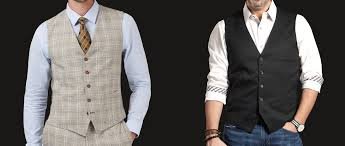
A vest is a sleeveless garment typically worn over a shirt or under a jacket, adding style and functionality to any outfit. In the United States, the word usually refers to outerwear like a waistcoat, sweater vest, or puffer vest, while in the UK, it often means an undergarment worn beneath clothing. Vests come in many types, including formal vests for suits, casual layering vests, and even protective vests like life vests or bulletproof vests. Understanding what a vest is helps you choose the right style and wear it confidently for any occasion. fia enterprises
History and Evolution of the Vest
The vest has a rich history that spans centuries, evolving from practical clothing to a fashion staple. Originally, vests were worn as waistcoats in the 17th century, layered over shirts for warmth and formality. Over time, sweater vests and casual vests became popular, offering comfort without restricting movement.
Today, vests include stylish options like puffer vests and gilets, serving both functional and fashion purposes. Across cultures, the vest has adapted in design and material, making it versatile for men and women. Understanding its evolution helps you appreciate different types of vests and how to wear them confidently.
Types of Vests
Vests come in a variety of styles to suit different occasions and outfits. The waistcoat, often called a formal vest, is typically worn with suits for a polished look. Sweater vests are knitted and perfect for layering over shirts in casual or semi formal settings. Puffer vests and down vests provide warmth without bulk, making them ideal for outdoor activities.
Other popular types include gilets, which are lightweight and versatile, and undergarment vests, common in the UK. There are also protective vests like life vests and bulletproof vests, highlighting the vest’s practical uses beyond fashion. Knowing the different types of vests helps you choose the right one for any occasion.
Materials and Fabrics
The material of a vest plays a big role in how it looks, feels, and functions. Formal vests and waistcoats are often made from wool, tweed, or blended fabrics for a refined appearance. Sweater vests are usually knitted from cotton, wool, or cashmere, offering comfort and breathability.
For warmth, puffer vests and down vests use insulated materials like polyester or natural down. Lightweight gilets are commonly made from nylon or performance fabrics, making them ideal for layering. Choosing the right fabric helps ensure your vest suits the season, purpose, and overall outfit.
How to Wear and Style a Vest
Knowing how to wear a vest can instantly upgrade your outfit. For a formal look, pair a tailored waistcoat with a dress shirt and suit. Sweater vests work well over button-down shirts for smart-casual style, while puffer vests and gilets are perfect for layering over hoodies or sweaters in cooler weather. Choose fitted styles for a clean silhouette and relaxed cuts for casual outfits. Playing with colors, textures, and layers helps create balanced vest outfits for every season and occasion.
Vest Fashion Trends in 2025
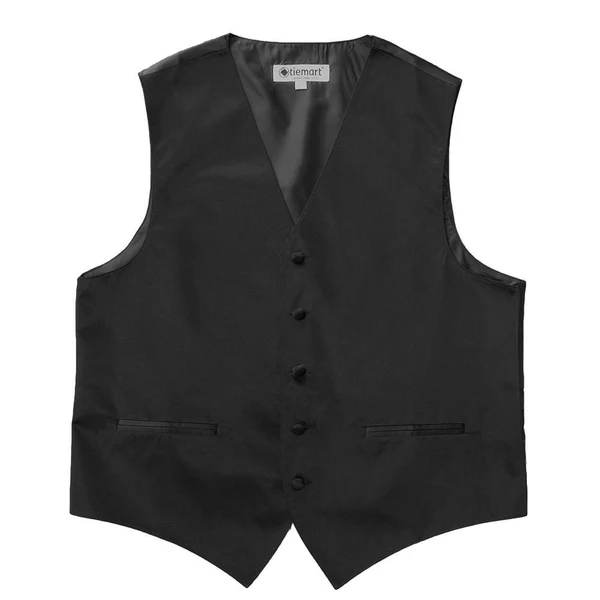
Vest fashion in 2025 focuses on versatility, comfort, and modern layering. Oversized sweater vests, minimalist waistcoats, and lightweight puffer vests are trending across both men’s and women’s fashion. Neutral colors like beige, gray, and olive remain popular, while textured fabrics and knitted designs add visual interest. Sustainable materials are also gaining attention, making eco-friendly vests a preferred choice. Whether styled casually or formally, vests continue to be a key layering piece that blends function with modern fashion.
Vest vs Similar Garments
Although vests are often confused with similar clothing, there are key differences. A vest vs waistcoat comparison shows that waistcoats are usually more formal and worn with suits, while vests can be casual or functional. Unlike tank tops or sleeveless shirts, vests are designed for layering rather than wearing alone. Sweater vests differ from sweaters because they offer warmth without sleeves, making them ideal for transitional seasons. Understanding these differences helps you choose the right sleeveless garment for your outfit.
FAQS
What is a vest used for?
A vest is used for layering, warmth, and adding style without restricting arm movement.
How should a vest fit?
A vest should fit comfortably around the torso without feeling tight or bulky.
Can vests be worn year-round?
Yes, lightweight vests work well in summer, while insulated vests are ideal for winter layering.
Are vests only for formal wear?
No, vests range from formal waistcoats to casual and functional styles like puffer vests and gilets.


