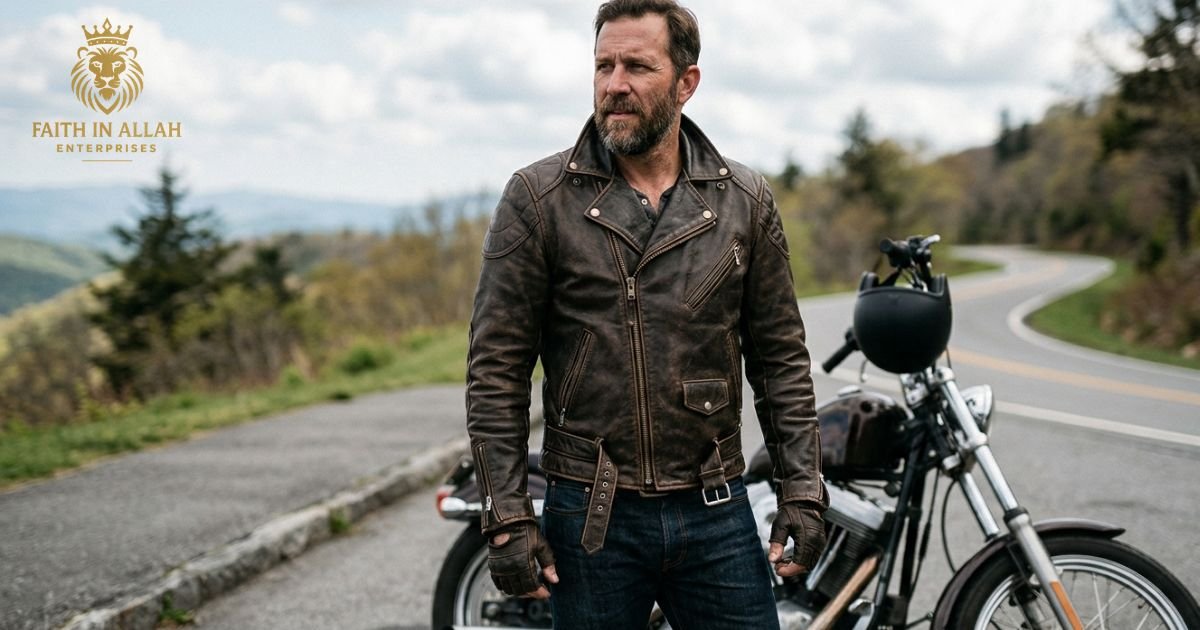
The Harley Davidson biker jacket is more than just riding gear it’s a statement of attitude, durability, and classic motorcycle culture. In 2026, it remains one of the most iconic choices for bikers and fashion enthusiasts alike. Known for its premium leather, protective design, and bold branding, this jacket blends safety with style. Whether you’re riding on the= highway or styling it for everyday wear, it delivers both function and timeless appeal.
Which Harley Davidson Jacket Is Right for Your Riding Style?
This is the question the official website refuses to answer directly. Here’s the breakdown.
Quick Comparison
| Jacket | Best For | Key Benefit | Limitation |
| Astor Patches Distressed | Style-first riders, collectors | Authentic vintage aesthetic, real cowhide | Heavy break-in period, no pre-installed CE armor |
| Luminator 360 | Night riders, touring | 360° reflectivity, water-resistant leather | Bulkier fit, premium price point |
| Mixed Media Bomber | Urban commuters, casual wear | Lightweight, textile-leather hybrid | Less abrasion resistance than full leather |
| Raceway Screamin Eagle | Performance/sport riders | Aerodynamic fit, CE-approved armor included | Race cut uncomfortable for all-day touring |
| Swingarm 3-in-1 | All-season riders | Removable liner system, year-round versatility | More expensive than single-season options |
The Astor Patches Distressed is the one people buy for the look and keep for the story it develops over years. The Luminator 360 is what serious distance riders actually wear at night on I-95. Different jackets. Different jobs.
CE Armor in H-D Jackets What the Product Pages Don’t Tell You
CE armor for motorcycle jackets is rated under EN 1621-1 (limb protectors) and EN 1621-2 (back protectors). Level 1 armor absorbs more than 35kN of transmitted force. Level 2 cuts that to under 20kN roughly half the impact energy reaching your body.
Here’s the thing: Harley-Davidson’s own product listings often say “CE-approved armor” without specifying Level 1 or Level 2. The Raceway Screamin Eagle is one of the few models where H-D explicitly states CE-approved armor is included and installed. On most other models including the Astor and the standard classic biker cuts the jacket has armor pockets, but you’re buying the shell.
Look if you’re using this as your primary riding jacket and not just a weekend cruiser jacket, that distinction matters more than the leather grade.
Some riders argue that CE certification is overstated for cruiser-speed riding and that cowhide alone provides meaningful protection at sub-highway speeds. That’s valid for short urban loops. But for anyone doing sustained highway miles, CE Level 2 at shoulders, elbows, and back isn’t optional; it’s the floor.
According to Future Market Report (2024), the global motorcycle leather jackets market was valued at USD 895.75 million and is projected to reach USD 1,425.40 million by 2033, growing at 6.2% CAGR with North America holding a 35.7% share. Demand isn’t declining. But neither is the number of under-informed buyers.
Genuine Leather vs. Synthetic The H-D Breakdown
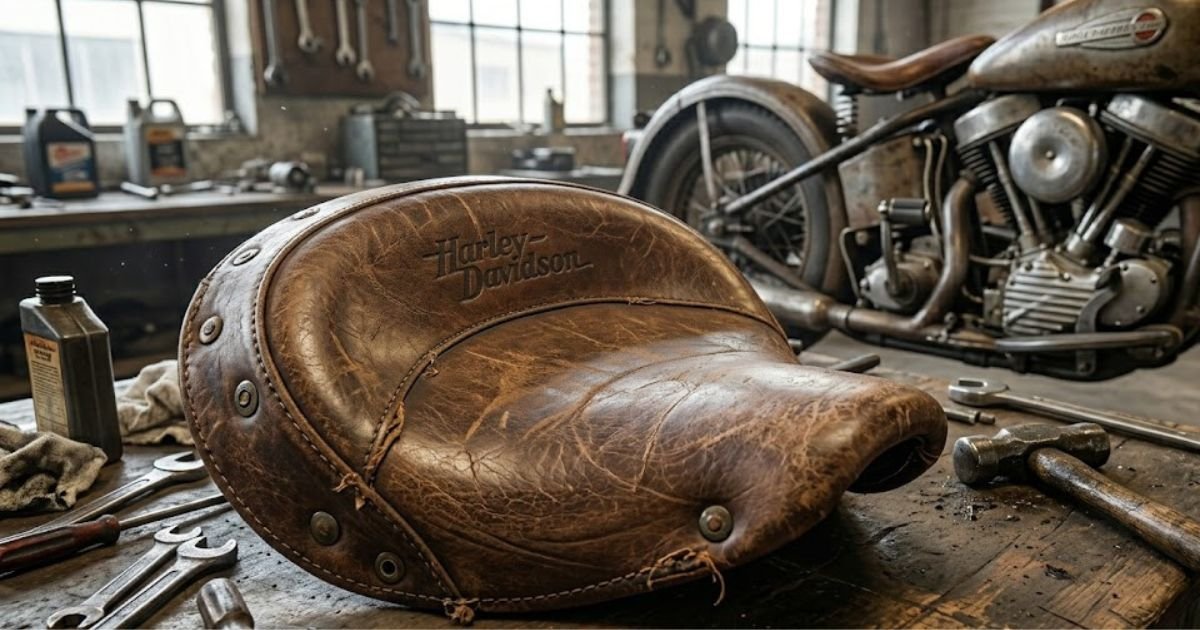
Genuine cowhide (used in the Astor, Luminator, and Raceway lines) offers superior abrasion resistance, develops a patina over time, and molds to your body after 20–40 hours of wear. Synthetic leather costs less, requires zero break-in, but offers meaningfully lower slide resistance in a crash. For riding gear not fashion, genuine leather is the correct choice if budget allows.
H-D uses three primary leather types across their men’s lineup:
- Cowhide most common, durable, moderate break-in time (Astor, Luminator, Classic Black & Orange lines)
- Buffalo leather thicker grain, longer break-in, higher abrasion resistance (select limited-edition models)
- Mixed media (textile + leather panels) used in the Bomber and casual crossover styles; not ideal as primary crash protection
Cowhide is the workhorse, buffalo is the collector’s pick, and mixed media is what you wear when you’re not actually planning to fall off.
Users who’ve ridden in genuine cowhide H-D jackets long-term consistently report that the jacket stiffness in the first month is the biggest surprise and the biggest regret when they skip it and go straight for the softer synthetic. Break-in is real. Budget two to four weeks of shorter rides before it fits the way it’s supposed to.
Harley Davidson Jacket Size Guide Getting the Fit Right for Riding
This section is where a lot of buyers go wrong especially those layering over a back protector or base layer.
H-D men’s leather jackets are cut for motorcycle posture, not standing posture. The sleeves run slightly long and the back is slightly extended to cover the lower back when you’re leaned forward on the bike. When you try one on in a dealer, lean forward with your arms on an imaginary handlebar. That’s the fit test not standing straight in a mirror.
To size a Harley Davidson biker jacket correctly
- Measure your chest at the widest point across the pecs not the torso.
- Add 2–3 inches if you plan to layer a base layer or heated vest underneath.
- Check sleeve length while arms are extended forward, not hanging down.
- Confirm the jacket covers your lower back when you simulate riding position.
- Verify armor pockets sit flush over your shoulders and elbows not shifted forward or back.
H-D standard sizing runs: S (34–36″ chest), M (38–40″), L (42–44″), XL (46–48″), XXL (50–52″), up to 5XL on select styles. Leather doesn’t stretch the way textile does — if it’s tight in the shoulders standing up, it’ll restrict your reach on the bike.
I’ve seen conflicting data on whether to size up for armor some fitters at H-D dealers say go true-to-size and add armor post-purchase, others say size up one for a clean fit with L2 inserts already in. My read is: size true-to-chest, buy the armor separately, and have it fitted at the dealer before your first real ride.
H-D Biker Jackets vs Alpinestars and Dainese The Honest Comparison
This is the question most H-D-brand guides won’t touch.
Alpinestars and Dainese build jackets spec’d from motorsport CE Level 2 armor is standard at shoulders, elbows, and back on most of their mid-range motorcycle jackets. Their fit systems are dialed for aggressive riding positions. The aesthetic, however, is track-derived. You won’t confuse an Alpinestars Missile jacket for heritage Americana.
H-D jackets win on three things: cultural identity, leather quality on the premium end, and dealer-supported customization. They lose out on out-of-the-box CE armor inclusion at the same price point.
H-D vs. third-party CE-certified brands:
- H-D is better suited for riders who prioritize brand heritage, leather patina over time, and a classic biker aesthetic especially at the $350–$600 range.
- Alpinestars/Dainese work better when CE Level 2 protection at every impact zone is non-negotiable, particularly for sport or aggressive touring riders.
- The key difference is that H-D sells style with protection available; Alpinestars sells protection with style available.
That’s not a knock on H-D. It’s just a different design philosophy and knowing which camp you’re in saves you money and potentially injury.
Conclusion
A Harley Davidson biker jacket is an investment in both protection and style. Its strong build, comfortable fit, and iconic design make it a long-lasting wardrobe piece for riders and fashion lovers. In 2026, it continues to represent freedom, confidence, and the spirit of the open road.
FAQs
What’s the best Harley Davidson biker jacket for long rides?
The Luminator 360 for night and mixed-weather touring; the Swingarm 3-in-1 for all-season flexibility. Both use genuine cowhide with removable liner systems suited for multi-hour mileage.
How do I know if a Harley jacket has real CE armor?
Check the product listing for “CE-approved armor included” not just “armor pockets.” The Raceway Screamin Eagle is one of the few models with CE armor pre-installed from the factory.
Should I size up in a Harley Davidson leather jacket?
Size to your chest measurement, not your shirt size. If adding under-armor or a heated vest, go up one size. Leather doesn’t stretch a tight shoulder fit and won’t loosen with wear.
Why does my Harley leather jacket feel stiff at first?
Cowhide and buffalo leather require a break-in period of roughly 20–40 riding hours before the jacket molds to your body. This is normal and expected that the jacket is not defective.
When should I choose a textile H-D jacket over leather?
Choose textile (mesh or softshell) for summer riding in high heat, where ventilation matters more than abrasion resistance. For year-round or highway use, leather outperforms textile in a slide scenario.