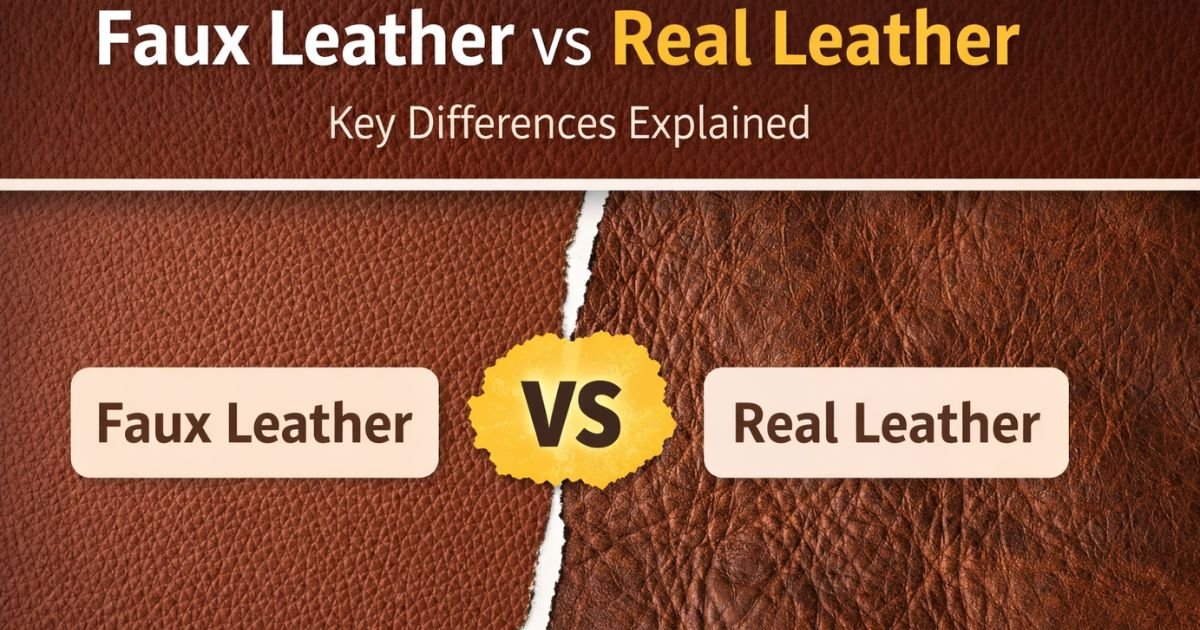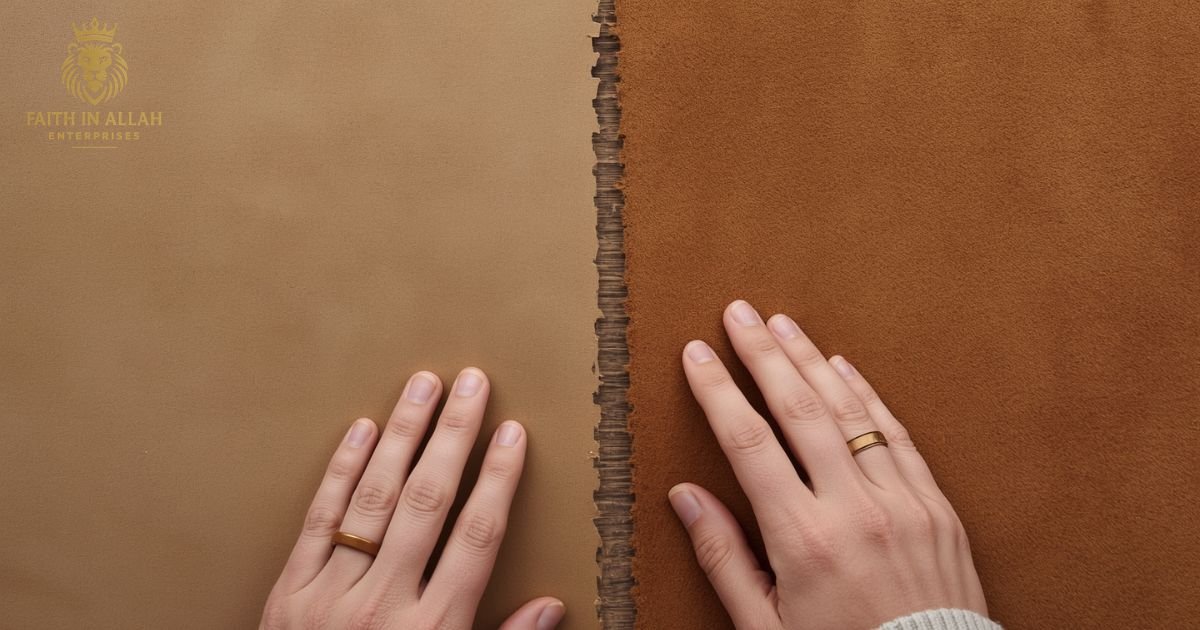
Nubuck vs suede leather is a common comparison for people looking to buy quality leather products. Both materials have a soft, velvety texture, but they differ in durability, appearance, and production process. Nubuck is made from the outer side of the hide, making it stronger and more durable, while suede is created from the inner layer, giving it a softer and more flexible feel. Understanding these differences helps buyers choose the right leather for shoes, jackets, bags, and furniture.
What Are Nubuck and Suede?
Walking into a shoe store or furniture showroom can feel overwhelming. You see beautiful, velvety leather products everywhere. Some are labeled “nubuck” and others “suede.” They look incredibly similar. They both have a soft, brushed nap that feels amazing to the touch. But what exactly are they?
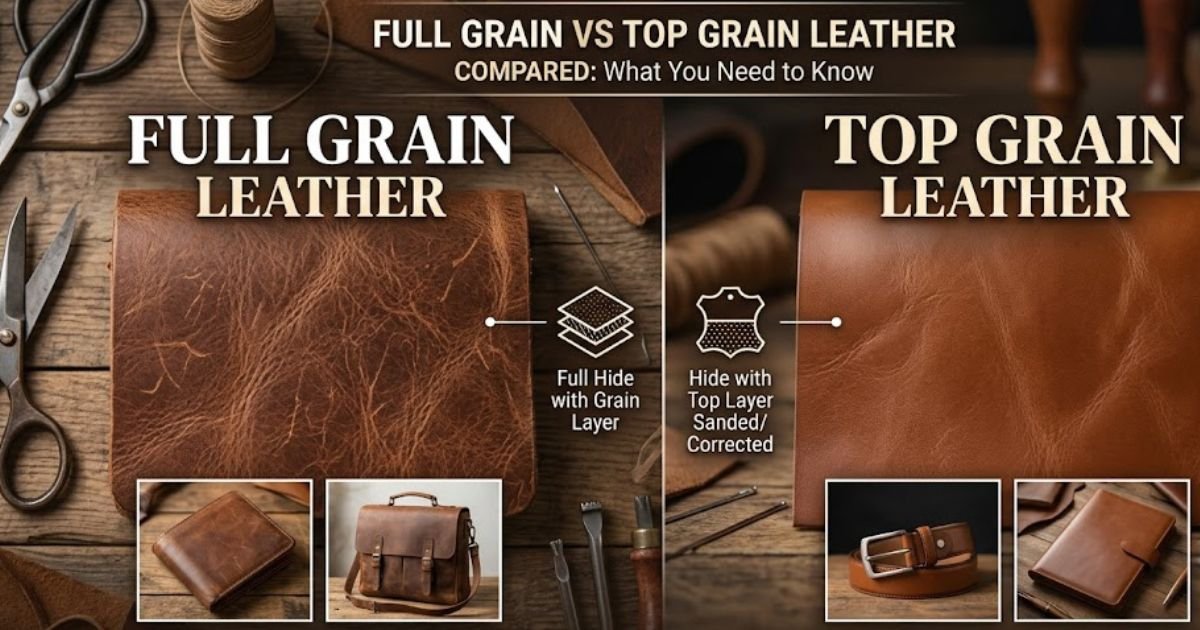
Both nubuck and suede belong to a family of leather known for its raised, fuzzy surface. Manufacturers create this texture by sanding or buffing the leather. However, the starting material is completely different.
Nubuck begins as top-grain leather. This is the tough, outer layer of the animal’s skin. Shoemakers sand the outside surface to create a slight nap. Because it uses the tough outer skin, nubuck retains a lot of natural strength.
Suede, on the other hand, comes from the inner layer of the hide. Workers split the leather to remove the tough exterior. They then sand the soft inside layer to create a rich, velvety finish. This process makes suede much softer and more pliable than its top-grain cousin, but it also sacrifices some durability.
Buy Now: Cognac Suede Trucker Jacket for Men
Key Differences Between Nubuck and Suede
When comparing nubuck vs suede leather, you need to look at three main factors. These materials might look identical from a distance, but they behave very differently in the real world.
Durability and Strength
Nubuck takes the prize for durability. Because it comes from the outer layer of the hide, it can handle serious wear and tear. The outer skin is designed by nature to protect the animal from the elements. When you wear nubuck boots, you get the benefit of that natural armor. It resists scuffs and scratches better than softer leathers. According to [Leather Working Group, 2023], top-grain leathers like nubuck can last decades if conditioned properly.
Suede is much more fragile. The inner layer of the hide lacks the dense fiber structure found on the outside. Suede tears more easily and wears down quickly under heavy friction. Water and dirt also ruin suede much faster than nubuck. If you step in a puddle wearing delicate suede loafers, the water can permanently stain and flatten the soft nap.
Texture and Appearance
If you want the softest possible feel, suede is the clear winner. The sanding process on the inner hide creates a long, luxurious nap. Running your hand across high-quality suede feels like touching velvet. It drapes beautifully, making it perfect for flowing jackets or soft handbags.
Nubuck feels smooth, but the nap is much shorter. It feels more like a fine peach fuzz. You might even mistake it for smooth leather until you look closely. Over time, nubuck develops a rich patina. The oils from your skin and the environment give the material a darker, slightly shiny character. Suede rarely develops a patina; it simply gets dirty or worn down if neglected.
Cost and Affordability
Quality always comes with a price tag. Nubuck generally costs more than suede. Extracting and refining top-grain leather requires careful processing. The outer hide often has natural scars or insect bites. Manufacturers must carefully select the cleanest hides to make high-quality nubuck.
Suede is more affordable. Since it comes from the split inner layer, manufacturers can use hides that might have minor exterior flaws. The splitting process also yields more usable material per animal. If you want a stylish look on a strict budget, suede accessories provide an excellent entry point into luxury leather goods.
How to Choose Between Nubuck and Suede
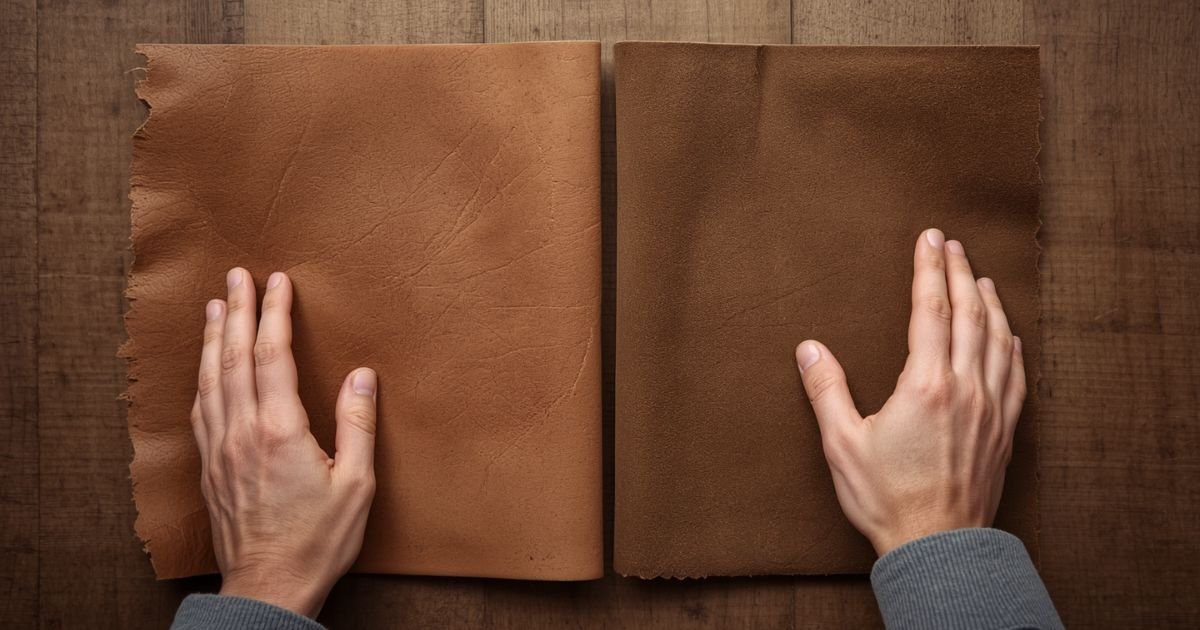
Knowing the differences helps, but how do you actually make a choice? Your decision should depend entirely on your lifestyle and how you plan to use the item.
Best Uses for Nubuck
Choose nubuck when durability matters more than extreme softness. This material shines in outdoor and heavy-use environments.
- Work boots and hiking shoes: Nubuck provides excellent support and protection against sharp rocks and brush.
- Everyday sneakers: Premium sneaker brands use nubuck because it handles daily street wear without falling apart.
- Heavy winter jackets: A nubuck coat blocks cold wind effectively and resists minor scrapes.
- Everyday bags: A backpack or messenger bag made of nubuck will survive the daily commute beautifully.
Best Uses for Suede
Select suede for luxury, comfort, and indoor elegance. This material works best when you want to make a fashion statement.
- Dress shoes and loafers: Suede adds a touch of pure class to formal or smart-casual outfits.
- Lightweight fashion jackets: The flexible nature of suede allows garments to drape beautifully over your body.
- Luxury handbags: Suede creates a gorgeous, rich texture for evening bags and delicate totes.
- Interior linings: High-end designers often use suede to line the insides of premium bags and watch boxes.
Factors to Consider When Choosing
Before pulling out your credit card, ask yourself three simple questions:
- What is the weather like? If you live in a rainy or snowy city like Seattle or Chicago, nubuck is the safer bet. Suede will struggle in wet environments.
- How often will you use it? For a daily-driver shoe, go with nubuck. For a special occasion boot, suede works perfectly.
- How much effort will you put into care? Both require maintenance, but suede demands more frequent brushing and careful storage.
Buy Now: Womens Brown Suede Jacket
How to Care for Nubuck and Suede (Step-by-Step Guide)
Proper care extends the life of any leather product. While nubuck and suede share similar care routines, you need to handle them with specific tools. Always keep these materials away from direct heat sources like radiators, which can dry out the natural oils.
Cleaning Nubuck
Nubuck requires a firm hand to keep it looking sharp.
- Brush away dirt: Use a stiff nylon-bristle brush. Vigorously brush the item to remove dried mud and dust.
- Erase scuffs: Purchase a dedicated nubuck eraser. Rub the eraser aggressively over dark scuff marks. The friction pulls the dirt out of the nap.
- Apply a cleaner: For stubborn stains, apply a specialized nubuck cleaning foam. Work it in with your brush, then wipe away the excess with a microfiber cloth.
- Restore the nap: Once dry, give the item a final brush to lift the fuzzy surface back up.
Cleaning Suede
Suede demands a gentle, patient approach to avoid ripping the delicate fibers.
- Gently brush the surface: Use a soft suede brush made of crepe or soft brass wire. Always brush in one direction to keep the nap looking uniform.
- Use a suede block: Gently rub a suede cleaning block over minor stains. Do not scrub too hard, or you risk flattening the texture permanently.
- Treat water stains with water: It sounds crazy, but a light, even mist of water helps remove isolated water spots. Dampen the entire surface slightly, soak up excess moisture with a sponge, and let it air dry.
- Fluff the nap: Brush the suede gently once it dries completely to restore that velvety feel.
Maintenance Tips for Longevity
Prevention beats a cure every single time.
- Waterproof immediately: Spray your new items with a silicone-free waterproofing spray before you ever wear them outside. Reapply this spray every two to three months.
- Use shoe trees: Insert unvarnished cedar shoe trees into your footwear after every wear. The cedar absorbs sweat and prevents the soft leather from creasing and cracking.
- Store in breathable bags: Keep your jackets and bags in cotton dust bags. Never use plastic covers, which trap moisture and cause mold.
Buy Now: Azzurro Leather Midi Trench Coat
Expert Insight: Choosing the Right Leather for Your Needs
As a Senior SEO Content Strategist who closely follows retail and manufacturing trends, I often see consumers make the wrong choice simply because they don’t understand the materials.
Many buyers purchase expensive suede boots for winter wear, only to watch them get ruined by road salt within a week. Suede acts like a sponge. It absorbs everything it touches. If you want a rugged aesthetic that actually performs well outdoors, you must choose nubuck.
However, if you want unmatched comfort and a refined look for the office, suede is unbeatable. The key to leather ownership is aligning the material’s properties with your real-world environment. Buy nubuck for the outdoors and suede for the indoors. Follow that rule, and your leather goods will last a lifetime.
Comparison Table: Nubuck vs Suede at a Glance
| Feature | Nubuck Leather | Suede Leather |
| Origin | Outer side of the hide (Top-grain) | Inner side of the hide (Split leather) |
| Durability | High (resists scuffs and tears) | Low to Medium (delicate and prone to tearing) |
| Texture | Short nap, feels like peach fuzz | Long nap, feels like soft velvet |
| Flexibility | Stiff and highly supportive | Very soft, pliable, and drapes well |
| Water Resistance | Moderate (handles light moisture well) | Low (absorbs water easily and stains) |
| Cost | Generally more expensive | Generally more affordable |
| Best Used For | Work boots, heavy jackets, daily bags | Loafers, dress shoes, luxury accessories |
Conclusion
When comparing nubuck vs suede leather, the best choice depends on your needs and style preferences. Nubuck offers better durability and a premium appearance, while suede provides softness and comfort at a lower cost. Knowing the strengths and maintenance needs of each leather type can help you make a smarter purchasing decision for long-lasting leather products.
FAQs
What is the main difference between nubuck and suede?
The main difference is the part of the hide used. Nubuck is made from the outer, top-grain layer of the animal hide, making it tough and durable. Suede is made from the inner, split layer of the hide, making it much softer, more flexible, and more delicate.
Is nubuck more durable than suede?
Yes, nubuck is significantly more durable than suede. Because nubuck utilizes the tough outer skin of the animal hide, it resists scratches, scuffs, and tearing much better than the soft inner fibers of suede.
Can you waterproof nubuck and suede?
Yes, you can waterproof both nubuck and suede. You should apply a high-quality, silicone-free waterproofing spray specifically formulated for napped leathers. Spray the item evenly from a distance of 6 to 8 inches and let it dry completely before wearing.
Which is better for shoes: nubuck or suede?
Choose nubuck for everyday shoes, work boots, and footwear exposed to bad weather due to its high durability. Choose suede for dress shoes, loafers, and indoor footwear where extreme softness and a luxurious appearance matter most.
How do you clean nubuck and suede?
Clean both materials by brushing away loose dirt first. Use a stiff nylon brush for nubuck and a soft crepe brush for suede. Use a specialized leather eraser to rub out scuff marks. Never use standard soap and water, as this can permanently ruin the brushed texture.