

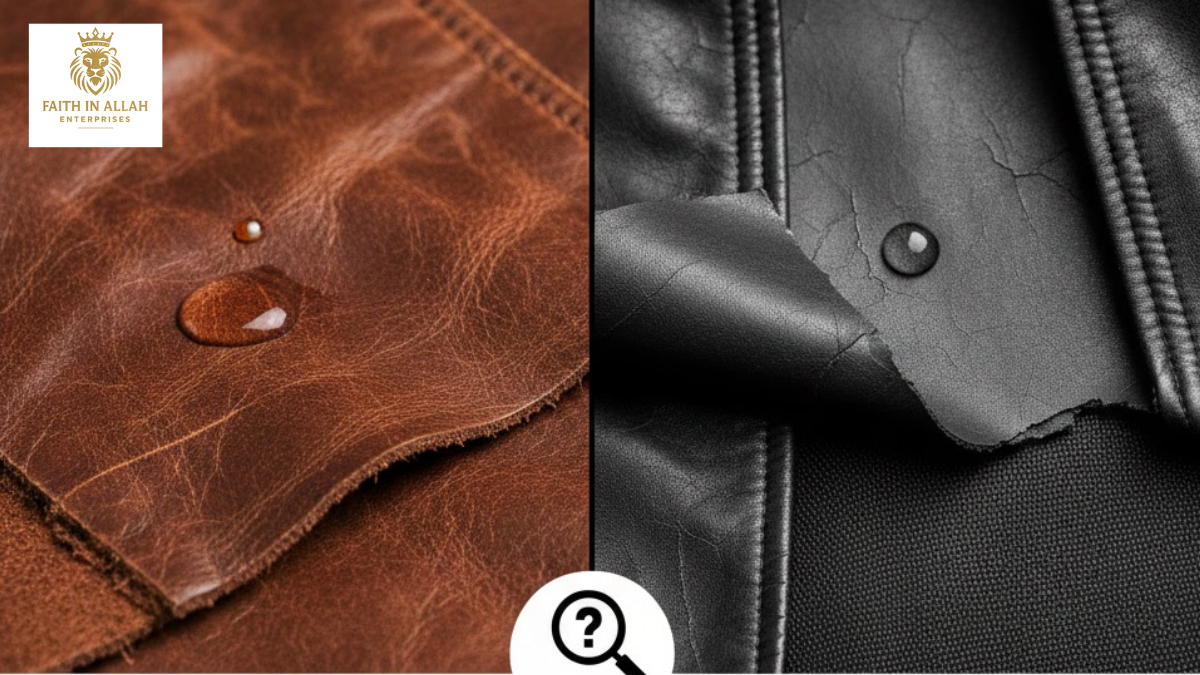
Ever felt that sinking feeling when your new leather jacket starts peeling after a few wears? You’re not alone. Telling real vs fake leather apart is a common headache, and nobody wants to waste money on something that won’t last. With so many convincing fakes out there, knowing how to spot fake leather is a skill every savvy shopper needs.
This guide is your secret weapon. We’ll give you simple, no fuss tricks for a quick leather authenticity test, from how to identify real leather by smell to what to look for in the texture. Forget confusing jargon; we’re breaking it down so you can easily tell if leather is genuine or fake. Get ready to shop with confidence and finally know for sure that you’re getting the real deal.
Understanding Leather Basics
To master how to spot fake leather, it helps to know what you’re looking for in the first place. The real vs fake leather debate is simple when you understand the materials.
What Is Real Leather Made Of?
Real leather is a natural material made from animal hide, usually from a cow, but sometimes from sheep, goats, or other animals. The hide goes through a process called tanning, which cleans it and stops it from decaying. This process preserves the hide’s natural fibers, giving it strength and character. Because it’s a natural product, no two pieces are exactly alike.
Types of Leather: Full Grain, Top Grain, and More
Not all real leather is the same. The main types of leather you’ll see are:
- Full Grain: This is the highest quality. It comes from the top layer of the hide and includes all the natural grain and imperfections. It’s incredibly durable and ages beautifully.
- Top Grain: This is the second highest quality. The surface is sanded to remove imperfections, making it smoother but slightly less durable than full grain.
- Genuine Leather: This is a lower quality leather made from the layers left after the top is split off. It’s often coated to look better but isn’t as strong.
How Fake Leather Is Manufactured
Fake leather, often called “faux leather” or “vegan leather,” is a synthetic material. Most are made by applying a plastic coating, like polyurethane (PU) or polyvinyl chloride (PVC), to a fabric base. Manufacturers then stamp a repeating, artificial grain pattern onto the surface to make it look like real leather. It’s cheaper to produce, but it lacks the breathability, durability, and unique character of the real thing.
How to Spot Fake Leather
Ready to play detective? Learning how to spot fake leather is easier than you think once you know the tricks. You don’t need fancy equipment, just your eyes, hands, and nose. Let’s dive into the practical steps for a reliable leather authenticity test.
What Are the Key Differences Between Real and Fake Leather?
Think of real leather like a fingerprint; it’s natural and unique. Fake leather, however, is manufactured to look perfect. The main difference lies in the “perfect vs. imperfect” battle. Real leather has character, while synthetic versions often look too uniform. Understanding these subtle cues is your first step in the real vs fake leather showdown.
Visual Clues: Grain Patterns and Imperfections
Take a close look at the surface. Real leather comes from an animal hide, so it will have natural imperfections like scratches, creases, or wrinkles. These aren’t defects; they’re proof of authenticity! On the flip side, fake leather is stamped by a machine. If the grain pattern looks repetitive or overly consistent, like printed wallpaper, you’re likely looking at a synthetic imitation. Also, check the edges; real leather has rough, fibrous edges, while fake leather often has smooth, plastic sealed edges.
The Touch Test: How Real Leather Feels
Get hands on! Real leather feels soft, warm, and slightly uneven. When you press your finger into it, it should wrinkle and stretch a bit, just like your own skin does. Fake leather often feels cold, stiff, and smooth like plastic. If you press down and the material just depresses without wrinkling around your finger, it’s probably a fake.
The Smell Test: Identifying Leather by Aroma
Your nose knows best. Real leather has a distinct, rich, earthy smell that is hard to replicate. It smells like… well, skin and nature. Fake leather, however, usually smells like chemicals, plastic, or vinyl. If you take a whiff and it reminds you of a new shower curtain or a chemistry set, put it back on the shelf.
Advanced Leather Identification Techniques
Feeling confident? If you want to take your leather authenticity test to the next level, there are a few more advanced tricks you can use. These methods provide even clearer proof when you’re trying to figure out the real vs fake leather mystery. Just be careful with these, as they are a bit more hands on.
The Water Test: Absorption vs. Repulsion
Here’s a simple experiment. Place a single drop of water on the surface. Real leather is a natural, porous material, so it will absorb a small amount of water in a few seconds. If the water drop just sits on top or beads up and rolls off, you are likely dealing with a non absorbent, plastic coated fake. This is one of the easiest ways to spot fake leather when you’re unsure.
The Fire Test: What Happens When Leather Burns
This one comes with a big warning: only try this on a small, hidden part of an item you already own, like an inside seam. Briefly expose the material to a flame. Real leather will char slightly and smell like burnt hair. Fake leather, which is essentially plastic, will melt, catch fire, and smell like burning plastic. It’s a definitive test, but proceed with extreme caution!
Checking the Backside of Leather: What to Look For
If you can see the underside of the material, take a look. The back of real leather will look and feel like suede, with a rough, fibrous texture. It’s the raw, unfinished side of the hide. In contrast, fake leather is often bonded to a fabric backing. If you see a woven or knitted fabric pattern on the back, it’s a dead giveaway that it’s not authentic leather.
Common Myths About Leather
When learning how to spot fake leather, it’s easy to get tangled in a web of myths and misinformation. Let’s clear up some common confusion so you can perform your leather authenticity test with total confidence and understand the real vs fake leather difference.
Does Vegan Leather Count as Real Leather?
This is a big one. While “vegan leather” sounds appealing, it is not real leather. It’s a marketing term for synthetic materials like PU or PVC. It’s manufactured and has none of the natural characteristics of genuine animal hide. So, if you see a product labeled as “vegan,” know that it’s a form of faux leather.
Can Real Leather Be Perfectly Smooth?
While some high quality leathers are treated to be very smooth, they will almost never be “perfect.” Remember, real leather is a natural skin. It will always have some minor blemishes, pores, or subtle grain variations. If a surface looks absolutely flawless and uniform, with no imperfections at all, it’s a major red flag that you’re looking at a synthetic material.
Debunking Misconceptions About Leather Durability
Some people believe that fake leather is just as durable as the real thing, but that’s rarely true. Real leather, especially full grain, is incredibly strong and can last a lifetime with proper care. It develops a beautiful patina over time. Fake leather, on the other hand, is prone to cracking, peeling, and tearing after just a few years of use. It simply doesn’t have the fibrous structure to withstand wear and tear in the same way.
Choosing the Right Leather Products
Now that you know how to spot fake leather, you can shop with confidence. Making a smart purchase is about more than just avoiding fakes; it’s about choosing quality that lasts. Here’s how to select the right leather products, whether you’re in a store or browsing online.
How to Verify Leather Authenticity When Shopping Online
Shopping online makes a physical leather authenticity test impossible, but you can still be a savvy buyer. Read product descriptions carefully. Reputable sellers will proudly state if their products are made from full grain or top grain leather. Look for high resolution photos that show the texture and grain up close. Customer reviews are also your best friend, see what others say about the quality and feel. If the details are vague or the price seems too good to be true, it’s best to be cautious.
Why Handmade Leather Is a Better Investment
Handmade leather goods are in a class of their own. Each piece is crafted with care, showing off the skill of the artisan. This attention to detail means you get a product with superior stitching, refined edges, and a unique character that machines can’t replicate. Investing in a handmade item means you’re not just buying a product; you’re acquiring a piece of art that will stand the test of time and tell its own story as it ages.
What Certifications Should You Look For?
While there isn’t one universal “leather certification,” reputable brands often provide details about their sourcing and tanning processes. Look for sellers who are transparent about where their hides come from. Some high end products may mention the specific tannery or region, which is a great sign of quality. When you buy from a trusted source that values transparency, you can be sure you’re getting an authentic, well made product.
Caring for Your Leather
Congratulations! You’ve used your new skills on how to spot fake leather and snagged a beautiful, genuine piece. But the journey doesn’t end at the checkout counter. Unlike plastic based fakes that peel and crack no matter what you do, real leather is a living material that needs a little love to stay looking its best. Think of it like a good friendship, put in a little effort, and it will last a lifetime.
Cleaning and Maintaining Real Leather
Don’t worry, you don’t need a degree in chemistry to keep your leather happy. The golden rule for cleaning and maintaining real leather is simplicity. If you spill something, wipe it up gently with a dry or slightly damp cloth, never soak it! Water can be leather’s frenemy; a little is okay, but too much can leave stains.
For regular upkeep, dust it off occasionally. If your leather starts to look a bit thirsty or dry, treat it with a high quality leather conditioner. It’s like moisturizer for your skin. This keeps the fibers flexible and prevents those sad cracks that often plague neglected items. Just remember to test any product on a tiny, hidden spot first, just to be safe.
How to Prolong the Life of Your Leather Goods
Want your leather jacket or bag to become a vintage heirloom? The secret is in how you store it. Real leather needs to breathe. Never wrap it in plastic bags, which can trap moisture and cause mold, yuck! Instead, use a breathable dust bag or a cotton pillowcase.
Keep your leather away from direct sunlight and heat sources like radiators. Excessive heat can dry out the natural oils, making the leather brittle. With just these few simple habits, you’ll ensure your leather durability is top notch, keeping that rich, authentic look for years to come.
Conclusion
Navigating the world of real vs fake leather doesn’t have to be confusing. With these simple tips, you now have the power to tell the difference and make smart choices. From examining the grain to using your senses, you’re ready to spot fake leather from a mile away and choose products that offer true value. It’s all about investing in quality you can trust.


