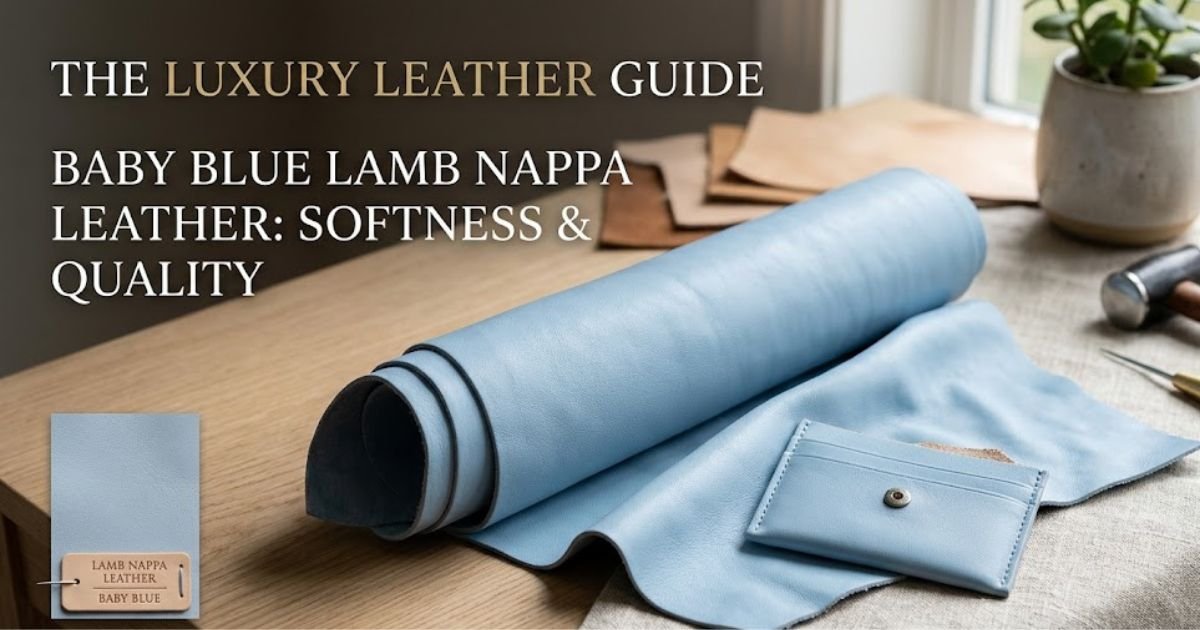
Baby Blue Lamb Nappa Leather is a premium leather known for its exceptionally soft texture, smooth finish, and luxurious appearance. Made from high-quality lambskin, this leather is prized in fashion, upholstery, and accessory manufacturing for its comfort, elegance, and durability. Its baby blue color adds a modern and sophisticated touch to various leather products.
Why This Leather Stands Out
Choosing premium leather can feel overwhelming. There are dozens of types, finishes, and price tags, and the marketing language often promises the moon.
This particular hide earns its reputation honestly. Lambskin nappa leather is one of the softest leathers you can buy, and the baby blue color adds a fresh, modern edge that’s hard to find in standard catalogs.
By the end of this guide, you’ll know how to judge quality, match thickness to your project, and buy with confidence instead of crossing your fingers.
What Makes Lamb Nappa Leather Special?
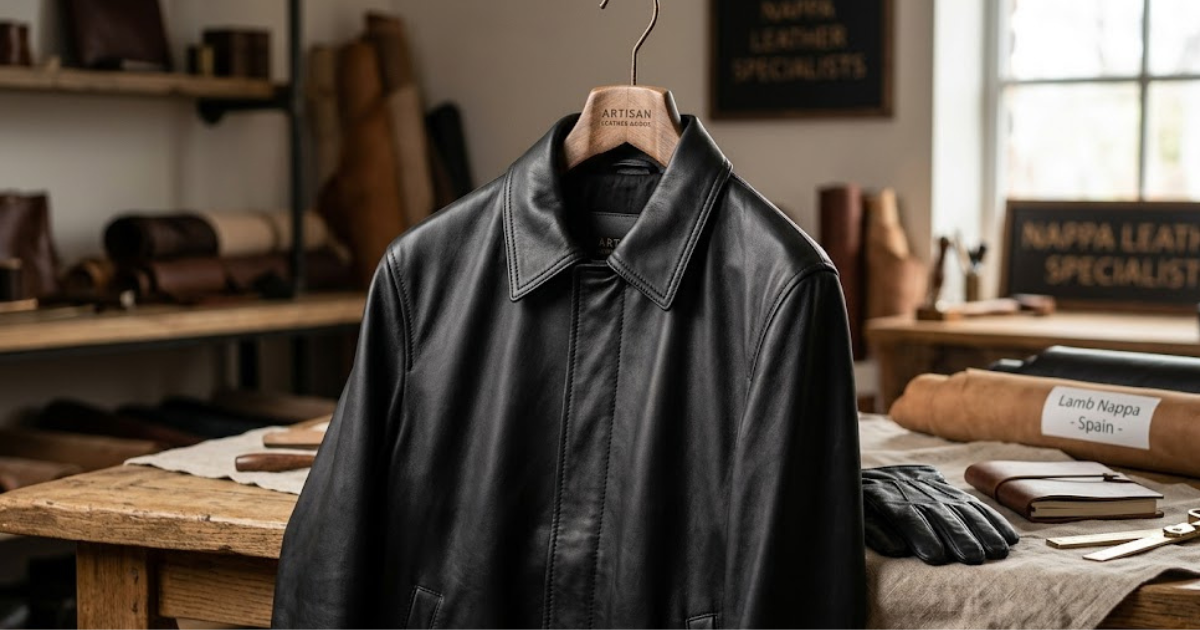
Softness is the headline, but there’s real science behind that buttery feel. Nappa leather comes from a specific tanning method that keeps the hide pliable, smooth, and gentle to the touch.
Lambskin starts with an advantage: lamb hides are naturally thinner and more flexible than cowhide. Add the nappa process, and you get a leather that drapes beautifully without feeling stiff or cheap.
Here’s what sets it apart:
- Featherlight feel that works for clothing and accessories
- Smooth, even surface that shows color cleanly
- Natural stretch that hugs curves and shapes
The Nappa Tanning Process Explained
Nappa tanning uses chromium salts to create a soft, supple finish. The goal is comfort and flexibility rather than rugged toughness.
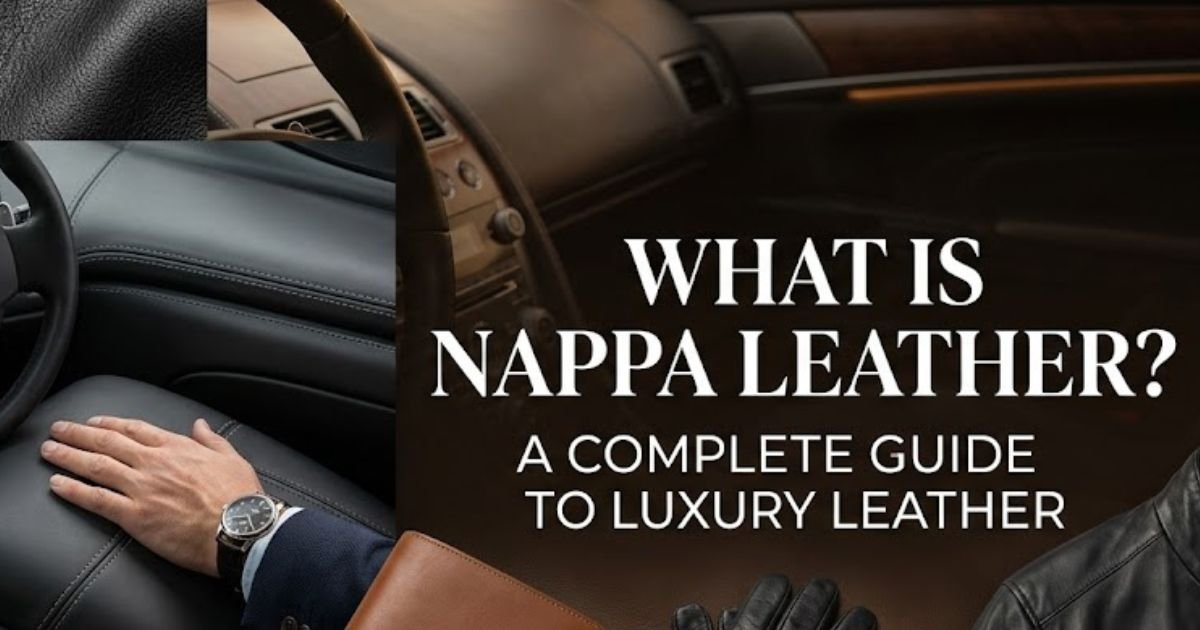
This is why you’ll see nappa used in high-end gloves, jackets, and car interiors. It keeps the leather smooth on both sides, so the hide feels luxurious whether you touch the grain or the back.
Why Lambskin Beats Cowhide for Softness
When softness matters most, lambskin wins. Here’s why makers reach for it:
- Thinner grain means more flexibility
- Lighter weight keeps garments comfortable
- Finer texture gives a refined, elegant look
- Easier draping for clothing and soft bags
Cowhide is tougher and great for boots or belts. But for anything you want to feel soft and move freely, lamb is the clear pick.
What the “Baby Blue” Tone Signals
The color isn’t just pretty, it’s a design statement. Baby blue reads as calm, clean, and fresh, which is why fashion designers love it for spring and summer collections.
A consistent, well-dyed baby blue also signals quality control. Cheap dyes look patchy and fade fast. Good ones stay even across the whole hide.
How to Evaluate Baby Blue Lamb Nappa Leather Quality
Quality is where most buyers get burned. The leather looks gorgeous in a photo, then arrives feeling like a balloon or showing blotchy color.
You can avoid that with a few simple checks. Treat every hide like you’re a detective looking for clues.
Grain, Feel, and Stretch Tests
Run these quick tests when a sample lands in your hands:
- Feel the surface. Top-quality nappa feels smooth and slightly cool, never sticky or plasticky.
- Gently stretch a corner. It should give a little, then bounce back without staying loose.
- Bend the hide. Look for fine, natural creases, not deep cracks or a stiff fold.
- Check both sides. The back should feel clean and even, not fuzzy or uneven.
Color Consistency Across Hides
If you’re buying more than one hide, color matching matters a lot. Two “baby blue” hides from different batches can look noticeably different under the same light.
Always ask whether your hides come from the same dye lot. This one question can save your whole project from a frustrating color mismatch.
Thickness and Weight Indicators
Thickness tells you what the leather can handle. Here’s a quick guide:
- 0.5mm: Lightweight, ideal for linings and delicate work
- 0.6–0.7mm: Sweet spot for soft garments and jackets
- 0.8–1.0mm: Good structure for small bags
- 1.0–1.2mm: Sturdier feel for shoes and accents
How Does It Compare to Other Leather Types?
Picking the right leather means knowing the trade-offs. Softness, durability, and use case all pull in different directions.
Here’s a simple comparison to help you decide:
| Leather Type | Softness | Best Use | Durability |
| Baby Blue Lamb Nappa | Very high | Garments, small bags, linings | Moderate |
| Cow Nappa | Medium-high | Jackets, larger bags | High |
| Goat Leather | Medium | Bags, gloves, accessories | High |
| Suede | Soft, fuzzy | Accents, fashion pieces | Low-moderate |
The takeaway is simple: baby blue lamb nappa wins on softness and looks, while cow and goat hides win on toughness.
When to Choose Lamb Over Goat or Cow
Reach for lamb when these things matter most:
- You want the softest possible hand-feel
- You’re making clothing or soft accessories
- You care about a refined, elegant finish
- The item won’t face heavy daily wear
If you’re building a hardworking tote or a rugged jacket, goat or cow might serve you better.
Best Use Cases for Baby Blue Lamb Nappa Leather
This is where the fun starts. Once you understand its strengths, the project ideas come easily.
Garments and Jackets
Lambskin’s drape makes it a dream for clothing. A baby blue leather jacket feels light on your shoulders and moves with your body instead of fighting it.
Designers also use it for skirts, vests, and statement pieces where softness and color do the heavy lifting.
Small Bags and Accessories
For small bags and accessories, this leather shines. Think:
- Clutches and evening bags
- Card holders and wallets
- Pouches and cosmetic cases
- Soft crossbody styles
The pale blue adds personality without shouting, which is why it pairs so well with minimalist designs.
Shoes, Linings, and Leather Crafts
Thanks to its smooth finish, it’s a popular pick for shoe uppers, soft linings, and decorative accents. As a soft leather for crafts, it’s also a go-to for journal covers, jewelry, and trims.
Just match the thickness to the job, and you’ll get clean, professional results.
What Should You Check Before Buying?
A little homework here saves a lot of regret later. Before you check out, run through this list:
- Confirm thickness matches your project’s needs
- Ask about hide size and the actual usable area, not just total square footage
- Verify dye type and lightfastness so it won’t fade fast
- Check return and sample policies before committing
- Compare pricing per square foot versus per whole hide
Smart buyers always order a sample swatch first. Spending a few dollars on a sample beats spending a fortune on a hide you can’t use.
How to Care for Lamb Nappa Leather (and Common Mistakes)
Soft leather needs gentle care. The good news? It’s not complicated once you know the rules.
Daily and Seasonal Care Steps
Keep your leather looking fresh with these steps:
- Wipe gently with a soft, dry cloth to remove dust.
- Spot clean spills right away with a barely damp cloth.
- Condition occasionally with a product made for nappa or lambskin.
- Store properly in a cool, dry spot away from direct sun.
- Use a dust bag for bags and accessories to prevent scuffs.
Care Mistakes That Ruin Baby Blue Leather
These slip-ups can wreck a beautiful piece, so avoid them:
- Soaking it in water lambskin hates getting drenched
- Using harsh cleaners that strip color and oils
- Leaving it in sunlight, which fades that pale blue fast
- Folding it tightly for long periods, which leaves permanent creases
- Storing it in plastic, which traps moisture and causes damage
A pale color like baby blue shows wear faster than dark leather, so gentle handling pays off big.
First-Hand Experience Working With Baby Blue Lamb Nappa
After cutting and stitching dozens of these hides over the years, a few things stand out. This leather is forgiving in the best ways and finicky in a couple of others.
The first time you cut it, you’ll notice how cleanly the blade glides through. There’s almost no resistance, which makes precise pattern work feel easy.
What Surprised Us About This Hide
The biggest surprise is how the color shifts under different light. Under daylight, baby blue looks crisp and cool. Under warm indoor lamps, it softens into a gentle, almost dreamy tone.
Stitching results are another pleasant surprise. Because the leather is thin and even, your seams sit flat and look professional with minimal fuss.
The one watch-out: the leather can stretch slightly while you work. If you pull too hard during stitching, you’ll see a wavy edge.
Expert Tip for Cutting and Sewing
Always cut on a flat, clean surface and use a fresh, sharp blade. Let the leather rest flat for a few minutes before cutting so it relaxes, and you’ll get cleaner, more accurate pieces every time.
Pricing and Where to Buy With Confidence
Premium softness comes with a premium price, and that’s fair. Baby Blue Lamb Nappa Leather typically costs more per square foot than cowhide because lamb hides are smaller and the finish is more delicate.
Here’s how to buy smart:
- Typical US pricing runs higher than basic cowhide, often sold per square foot or per hide
- A trustworthy supplier offers clear photos, honest thickness specs, and sample swatches
- Sampling first protects your budget and prevents costly surprises
Look for sellers who answer questions quickly and explain their hides clearly. Vague descriptions and “too good to be true” prices are red flags worth respecting.
Conclusion
Baby Blue Lamb Nappa Leather combines luxury, softness, and style, making it a popular choice for high-end leather goods. Whether used for bags, jackets, furniture, or accessories, it offers a refined look and a comfortable feel that enhances the value and appeal of finished products.
FAQs
Is lamb nappa leather durable enough for jackets?
Yes, for everyday fashion use it holds up well. Lambskin nappa is softer than cowhide, so it’s best for jackets you wear casually rather than rugged outerwear. With gentle care, a quality piece can last for years.
What thickness of baby blue lamb nappa is best for bags?
For small bags, aim for 0.8mm to 1.0mm. This range gives enough structure to hold shape while staying soft and easy to work with. Thinner hides work better for linings, while thicker ones suit shoes and accents.
Does baby blue lamb nappa leather fade over time?
It can fade if exposed to direct sunlight for long periods. Pale colors show fading faster than dark ones, so store it away from sun and harsh light. A quality dye with good lightfastness will hold its color much longer.
How is nappa leather different from regular lambskin?
Nappa refers to the smooth, soft finish created by a specific tanning process. Regular lambskin can have various finishes, while nappa is always known for its silky, supple surface. So nappa is a style of finish, not a different animal.
Can you use baby blue lamb nappa for shoes?
Yes, but choose a thicker weight around 1.0mm to 1.2mm for durability. This leather works beautifully for shoe uppers and accents thanks to its smooth look. For high-wear areas, pair it with sturdier materials underneath.