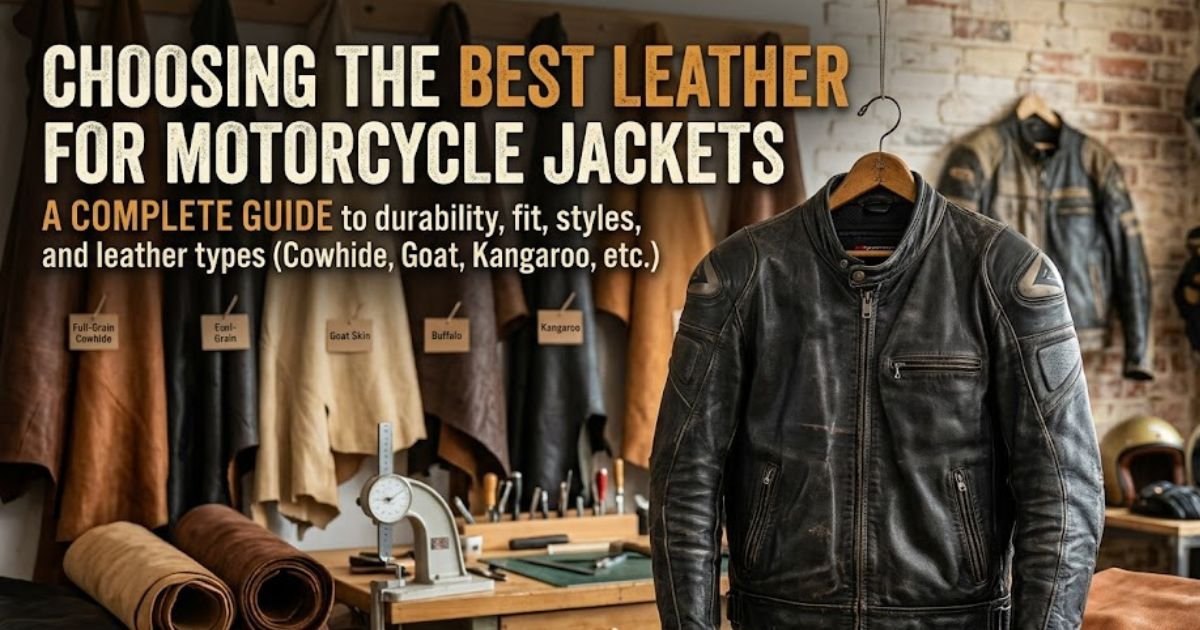
Choosing the best leather for making leather jackets is essential for achieving the right balance of durability, comfort, and style. Popular options include cowhide, lambskin, goatskin, and buffalo leather, each offering unique characteristics. The ideal leather depends on the jacket’s intended use, desired appearance, and level of softness.
What Is the Best Leather for a Leather Jacket?

There is no single “best” hide on the market. The ideal material depends entirely on how you plan to use the garment. You must carefully weigh your need for durability, softness, and weight.
A heavy, rugged hide offers incredible protection but requires a long break-in period. Conversely, a buttery-soft material feels amazing instantly but scratches easily. You have to decide which attribute matters most for your daily routine.
The five most popular options dominating the market are cowhide, lambskin, goatskin, buffalo, and calfskin. Each offers a completely unique set of benefits for specific use cases.
What Are the 5 Best Leather Types for Jackets?
Here is a quick comparison of the top materials used by manufacturers today.
| Leather Type | Thickness (mm/oz) | Weight | Durability | Feel | Best For |
| Cowhide | 1.2–1.6 mm (3–4 oz) | Heavy (3–6 lbs) | Very High | Stiff initially | Motorcycle gear |
| Lambskin | 0.5–0.8 mm (1–2 oz) | Light (~2 lbs) | Low | Buttery soft | Luxury fashion |
| Goatskin | 0.7–1.0 mm (2–2.5 oz) | Medium (~3 lbs) | High | Supple, textured | Everyday wear |
| Buffalo | 1.3–1.8 mm (3–4.5 oz) | Very Heavy | Extreme | Rugged, stiff | Vintage styles |
| Calfskin | 0.8–1.1 mm (2–3 oz) | Medium | Moderate | Smooth, fine | High-end casual |
Cowhide Leather
Cowhide remains the absolute gold standard for protective outerwear. It provides unmatched abrasion resistance, making it the primary choice for serious riders.
According to NYC Leather Jackets (2023), a standard cowhide leather jacket weighs between 3 to 6 pounds, with a thickness of 1.2 to 1.6 millimeters. You will need to spend some time breaking it in, but it will literally last a lifetime.
Choose a cowhide leather jacket if extreme durability and weather resistance matter more to you than immediate comfort.
Lambskin Leather
Lambskin is famous for being the softest and most luxurious option available. At just 0.5 to 0.8 millimeters thick, a typical lambskin leather jacket weighs roughly 2 pounds.
This incredibly lightweight material drapes beautifully across your body, making it a favorite for high-end fashion brands. However, you must handle it with care. It scratches and tears much easier than tougher hides.
Choose lambskin if you want a premium, comfortable fashion piece for light daily wear.
Goatskin Leather
Goatskin offers the ultimate sweet spot between toughness and comfort. Pound for pound, it is actually stronger than cowhide, yet it remains incredibly supple right off the rack.
A goatskin leather jacket features a distinct, pebbled texture that hides minor scuffs perfectly. It also naturally repels water better than most other hides.
Choose goatskin if you want a rugged, everyday jacket that doesn’t feel like a heavy suit of armor.
Buffalo (Bison) Leather
Buffalo leather is an absolute powerhouse. It features a deeply pronounced, pebbled grain that gives any garment an undeniably rugged, vintage aesthetic.
This hide is exceptionally thick and durable. Buffalo jackets withstand heavy abuse, making them excellent choices for demanding outdoor work.
Choose buffalo leather if you want a heavy-duty jacket with a highly unique, textured appearance.
Calfskin Leather
Calfskin bridges the gap between the durability of cowhide and the softness of lambskin. It features a remarkably fine, smooth grain without any heavy pebbling.
Many luxury designers use calfskin for premium jackets because it holds its shape beautifully while feeling incredibly soft.
Choose calfskin if you want a polished, high-end look that can survive regular use better than lambskin.
Full-Grain vs Top-Grain Leather: Which Is Better for Jackets?
The grain type determines how your jacket will age and perform over time. Always check the label before you purchase.
| Feature | Full-Grain Leather | Top-Grain Leather |
| Definition | The entire natural hide with all imperfections intact. | The top layer is sanded down to remove natural blemishes. |
| Durability | Maximum strength and longevity. | Highly durable, but slightly weaker than full-grain. |
| Aging Process | Develops a rich, beautiful patina over time. | Retains its original finish; does not patina as much. |
| Breathability | Highly breathable and comfortable. | Less breathable due to the applied finish. |
A full-grain leather jacket represents the highest tier of quality. It retains the hide’s natural strength and will mold to your body over the years.
A top-grain leather jacket offers a more uniform, pristine appearance right away. It is slightly thinner and more flexible out of the box.
Avoid “genuine leather” or “bonded leather” at all costs. These are low-grade materials made from scraps that will peel and crack within a year.
Vegetable-Tanned vs Chrome-Tanned Leather: What Are the Differences?
The tanning process fundamentally changes how a hide feels, smells, and ages.
- Vegetable-Tanned Leather: This ancient method uses natural tannins found in tree bark. A vegetable-tanned leather jacket feels stiffer initially but develops an incredible patina over time. It is highly durable and eco-friendly.
- Chrome-Tanned Leather: This modern process uses chromium salts to process the hide quickly. A chrome-tanned leather jacket is instantly soft, highly water-resistant, and holds vibrant colors perfectly.
Choose vegetable-tanned leather if you love the idea of a jacket that breaks in and ages alongside you. Choose chrome-tanned leather if you want immediate comfort and a consistent color.
What Is the Recommended Leather Thickness and Weight Guide?
Understanding leather measurements is crucial, especially if you are sourcing the best leather for making leather jackets yourself.
According to Tandy Leather (2023), one ounce of leather equals roughly 1/64 of an inch, or 0.4 millimeters.
| Hide Weight Category | Thickness (mm) | Thickness (oz) | Recommended Use Case |
| Lightweight | 0.8 – 1.2 mm | 2 – 3 oz | Fashion jackets, spring bombers, tailored luxury pieces. |
| Midweight | 1.2 – 1.4 mm | 3 – 3.5 oz | Everyday casual wear, classic double riders, fall jackets. |
| Heavyweight | 1.4 – 1.6+ mm | 3.5 – 4+ oz | Professional motorcycle gear, heavy winter outerwear. |
What Is the Best Leather by Use Case?
Different activities demand different material properties. Here is exactly what you should look for based on your lifestyle.
- Motorcycle/Biker Jackets: Choose heavyweight cowhide or buffalo. These hides provide the severe abrasion resistance required to protect your skin during a slide.
- Luxury/Fashion Jackets: Choose lambskin or calfskin. These lightweight hides offer the beautiful drape and buttery softness expected from high-end fashion.
- Everyday Wear: Choose goatskin. It delivers the perfect balance of lightweight comfort and high durability for daily commutes and casual outings.
- Custom Jacket Making: Choose vegetable-tanned cowhide or goatskin. These hides offer excellent workability for crafting structured, long-lasting garments.
Which Leather Is Best for Hot vs Cold Climates?
Your local climate should heavily influence your purchasing decision. A heavy jacket in a warm climate will quickly become unwearable.
For cold weather: Opt for thicker cowhide or buffalo leather. These dense materials act as excellent windbreakers. Look for jackets lined with natural shearling or heavy quilted cotton for maximum insulation against freezing temperatures.
For hot weather: Stick to lightweight lambskin or exceptionally thin goatskin. Unlined jackets, or those featuring perforated leather panels, allow body heat to escape and keep you comfortable during warmer months.
Expert Insight: What Do Jacket Makers Actually Choose?
When consulting industry professionals, a clear consensus emerges regarding material selection.
According to experts at Stridewise (2023), goatskin is actually stronger than cowhide on a pound-for-pound basis. Many heritage makers prefer goatskin because it bypasses the painful break-in period associated with heavy cowhide.
Mass-market manufacturers heavily favor lambskin. It is cost-effective to source and provides the immediate softness that casual shoppers demand in fitting rooms.
However, high-end bespoke makers consistently lean toward full-grain cowhide. They know that while it takes months to properly break in, a full-grain jacket will easily outlive its owner.
How to Care for Your Leather Jacket by Type
Proper maintenance keeps your jacket looking pristine and prevents the material from drying out. Follow these exact steps to ensure longevity.
Step-by-Step Care Guide
- Clean the surface: Wipe down your jacket with a damp microfiber cloth to remove surface dust and dirt. Let it air dry away from direct heat.
- Select the right conditioner: Match your product to your hide. Use delicate, cream-based conditioners for lambskin and calfskin. Use heavy-duty waxes or oils for thick cowhide and buffalo.
- Test a hidden spot: Always apply a tiny drop of conditioner to the inner cuff first. Ensure it does not severely darken or stain the material.
- Apply evenly: Rub the conditioner into the hide using smooth, circular motions. Do not oversaturate the material.
- Buff and store: Wipe away any excess product. Hang your jacket on a wide, padded hanger in a cool, ventilated closet.
How Does Ethical and Sustainable Leather Sourcing Work?
Modern consumers care deeply about where their clothing comes from. Fortunately, the vast majority of jacket leather is highly sustainable.
According to Lakeland Leather (2023), nearly all cow, sheep, and goat hides used in fashion are direct by-products of the global food industry. Using these hides prevents millions of tons of waste from entering landfills annually.
If you want the most eco-friendly option, seek out vegetable-tanned jackets. This process avoids the harsh chemicals used in chrome tanning, resulting in a cleaner, safer manufacturing cycle.
Conclusion
The best leather for making leather jackets depends on your personal preferences and requirements. Lambskin is prized for its softness and luxury, while cowhide offers excellent durability and protection. By understanding the qualities of different leather types, you can select the perfect material for a high-quality leather jacket.
FAQs
What is the best leather for making a leather jacket?
The best leather depends on your goals. Cowhide is the absolute best for durability and protection. Lambskin provides the softest, most luxurious feel for fashion. Goatskin offers a perfect middle ground for everyday wear.
Is cowhide or lambskin better for a jacket?
Choose cowhide if you need extreme durability, weather resistance, and longevity. Choose lambskin if you prioritize lightweight comfort, elegant drape, and immediate softness without a break-in period.
What thickness of leather is best for a jacket?
A thickness of 1.2 millimeters (3 ounces) is the ideal midweight standard for an everyday jacket. Fashion jackets usually sit around 0.8 millimeters, while heavy-duty motorcycle jackets require at least 1.4 millimeters of thickness.
Which leather is best for motorcycle jackets?
Full-grain cowhide is the undisputed best leather for motorcycle jackets. It provides unmatched abrasion resistance to protect your skin during a fall, and it blocks heavy winds effectively at high speeds.
Is full-grain leather worth it for a jacket?
Yes, full-grain leather is absolutely worth the higher price. It retains the natural strength of the hide, lasts decades longer than lower grades, and develops a beautiful, unique patina as it ages.
Why is lambskin leather so expensive?
Lambskin requires highly delicate processing and yields much smaller individual hides compared to cows or buffalo. Sourcing enough pristine lambskin to construct a seamless, high-quality jacket drives up the overall manufacturing cost.