Choosing the best leather for leather bags is essential for durability, appearance, and long-term value. Different leather types, including full-grain, top-grain, and Nappa leather, offer unique benefits. The right choice depends on factors such as style, budget, and intended use.
What Is the Best Leather for Leather Bags?
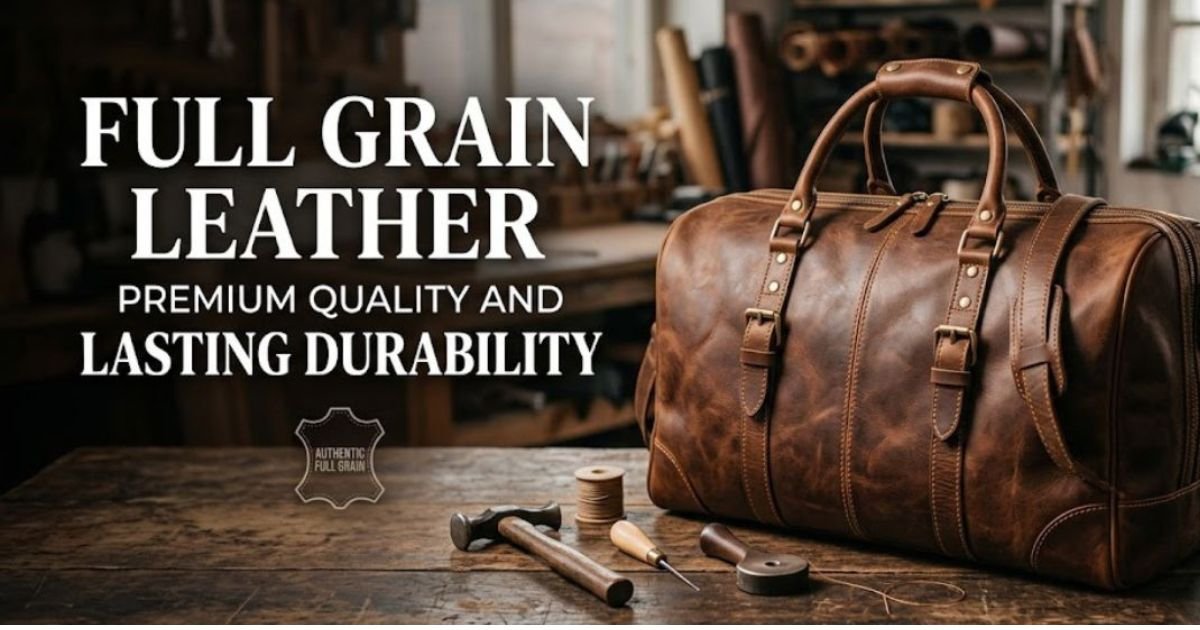
Here’s the honest answer: full-grain leather wins for most people. It’s the toughest, ages the best, and turns into something more handsome the longer you carry it.
But “best” depends on your goals. Think of it like shoes. The right pick changes based on budget, use, and style.
Here’s how the choices stack up by priority:
- Best for durability and aging: Full-grain leather
- Best for balance of price and polish: Top-grain leather
- Best for a soft, suede-like look: Nubuck (with extra care)
- Best to avoid for long-term use: Bonded leather
One thing matters more than any logo on the bag: grain type beats brand. A no-name full-grain bag will outlive a designer bag made from bonded scraps. Quality lives in the material, not the marketing.
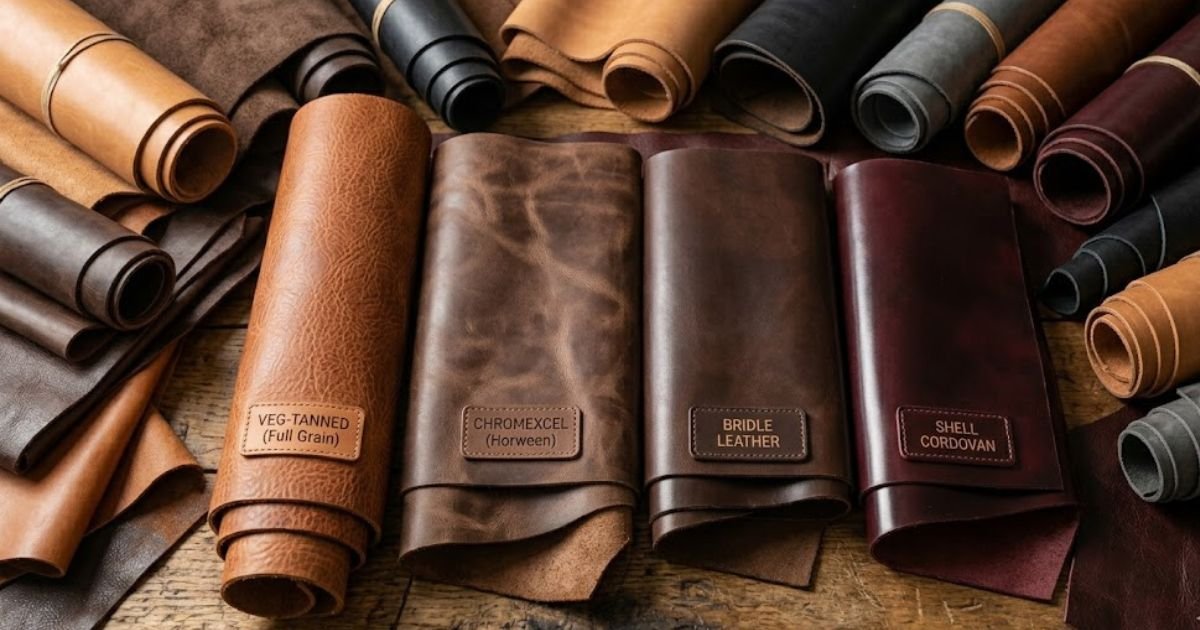
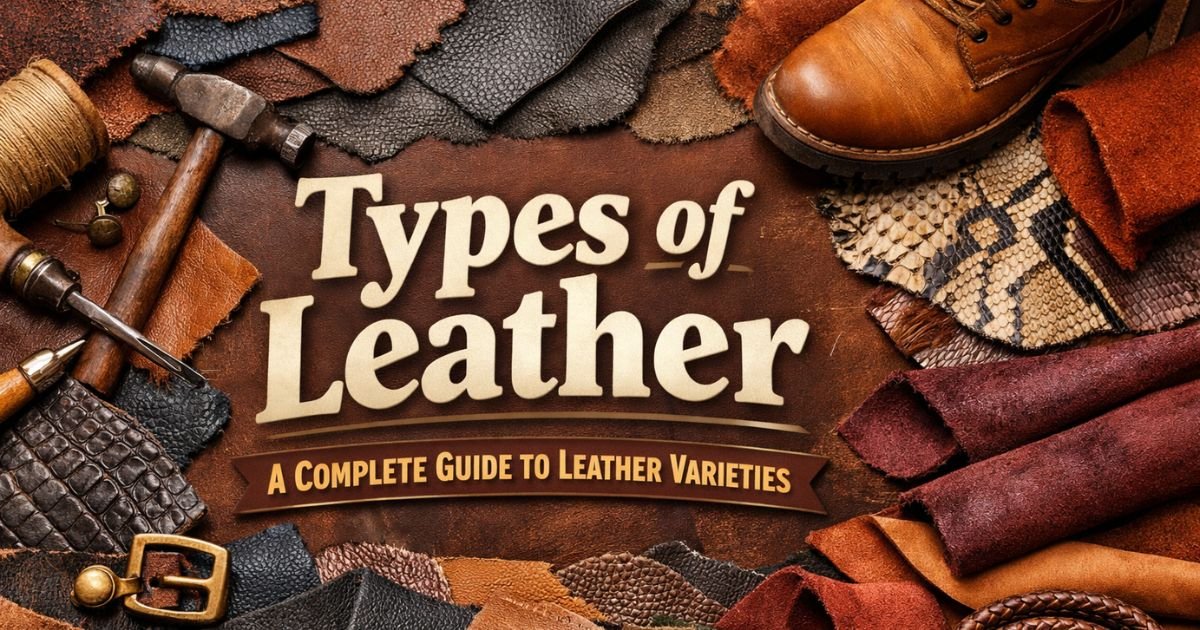
The Main Types of Leather Used in Bags (Explained)
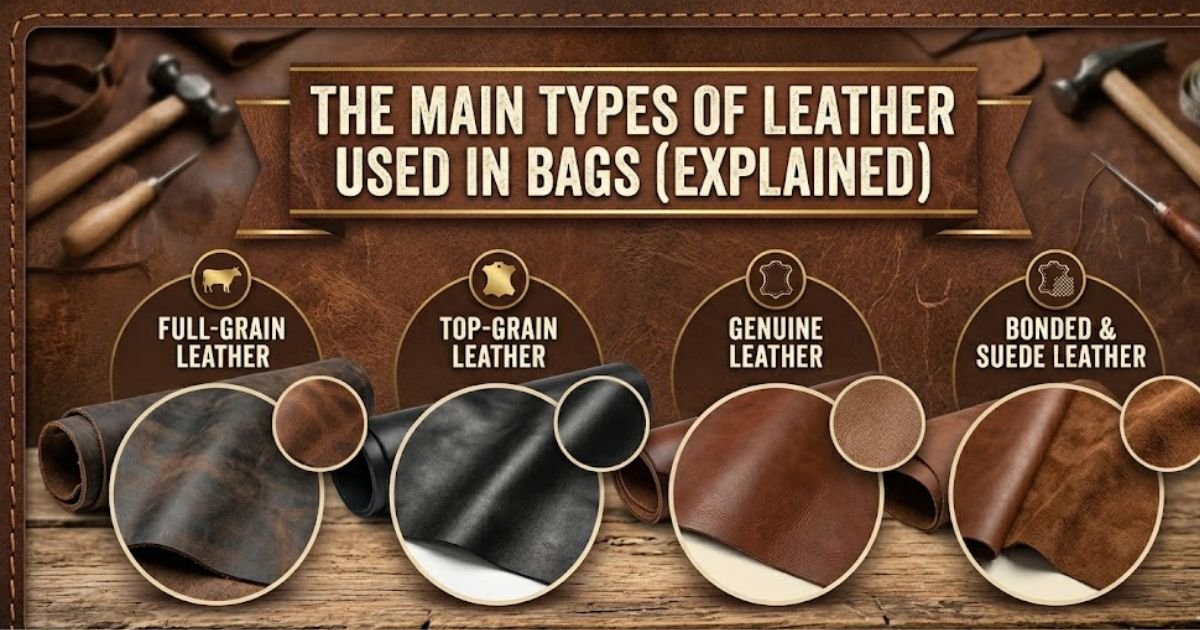
Not all leather is created equal. The word covers everything from premium hides to glued-together leftovers. Let’s clear up the confusion with simple definitions.
| Leather Type | Durability | Cost | Best Use | Ages Well? |
| Full-grain | Excellent (10–20+ yrs) | High | Heirloom & daily bags | Yes |
| Top-grain | Very good | Medium-high | Work & dress bags | Somewhat |
| Genuine | Fair | Low-medium | Budget accessories | No |
| Bonded | Poor (1–3 yrs) | Low | Avoid for bags | No |
| Suede/Nubuck | Good (with care) | Medium-high | Style-focused bags | With care |
Full-Grain Leather
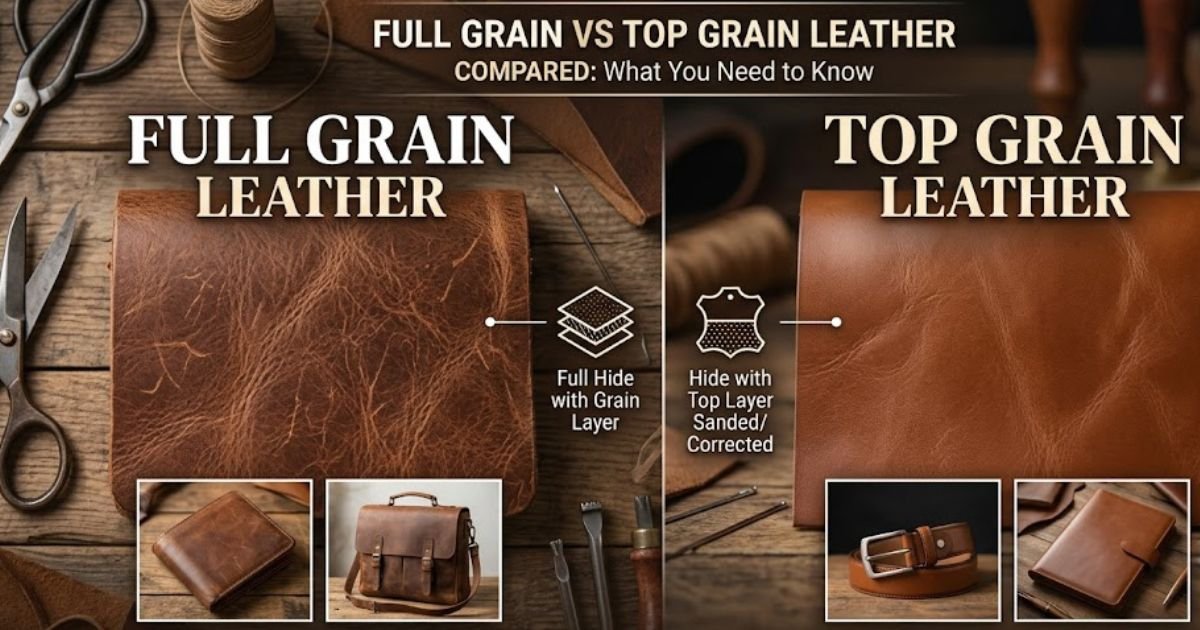
Full-grain leather comes from the top layer of the hide, with the natural surface left untouched. That surface holds the tightest fibers, which makes it incredibly strong.
It’s the choice for people who want a bag that lasts a lifetime. Over the years, it darkens and softens into a one-of-a-kind patina that no factory can fake.
Top-Grain Leather
Top-grain leather is the second-highest grade. The very top layer gets sanded down to remove flaws, then a finish is added for a smooth, even look.
It’s slightly less durable than full-grain but easier on your wallet. If you want a polished bag without the heirloom price, this is your sweet spot.
Genuine Leather (and Why the Name Is Misleading)
Don’t let the name fool you. “Genuine leather” is one of the lowest grades of real leather you can buy. It’s made from the leftover layers after the good stuff is split off.
It’s technically real leather, sure. But it’s weaker, wears faster, and rarely ages with grace. Treat the label as a yellow flag, not a badge of honor.
Bonded Leather
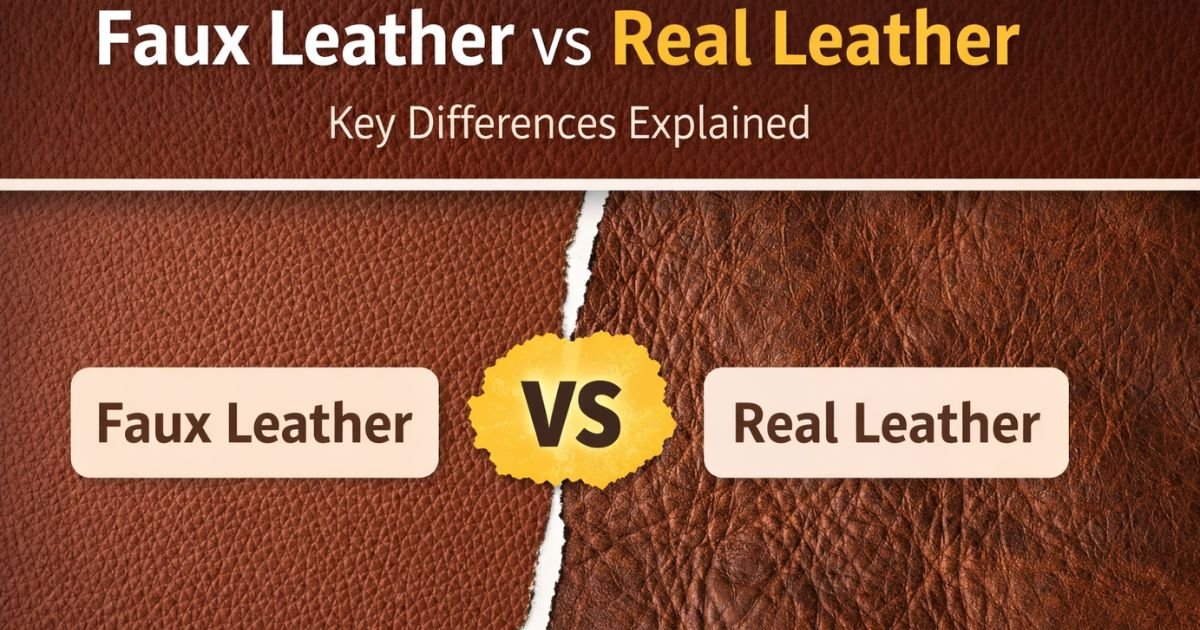
Bonded leather is the hot dog of the leather world. It’s made from shredded scraps glued together and coated to look like a single piece.
It’s cheap, and it acts cheap. Most bonded bags start cracking and peeling within a couple of years. For a bag you’ll carry often, skip it.
Suede and Nubuck
Suede comes from the soft underside of the hide. Nubuck is sanded full-grain, so it’s tougher than suede but has a similar velvety feel.
Both look gorgeous and feel luxurious. The tradeoff? They stain and soak up water fast, so they need more leather care than smooth finishes.
Mini-summary: Full-grain rules, top-grain delivers value, and bonded leather belongs at the bottom of your list.
Buy Now: Brown Leather Bucket Bag
How Do You Choose the Right Leather for Your Bag?
Picking the bps, and you’ll land on the right answer fast.
- Set your budget. Know your ceiling before you shop. Quality full-grain costs more upfront but saves money long-term.
- Define your use. A daily work bag takes more abuse than a once-a-month clutch. Match toughness to frequency.
- Pick your style. Want rugged character or a sleek, even surface? Full-grain ages with personality; top-grain stays uniform.
- Check your maintenance tolerance. Be honest. If you won’t condition your bag, avoid suede and nubuck.
- Decide your lifespan goal. Buying for 2 years or 20? Your answer points straight to the grain you need.
Mini-summary: Budget, use, style, upkeep, and lifespan—nail those five, and the right leather picks itself.
Matching Leather to How You Actually Use Your Bag
The “best” leather changes depending on what you’re carrying and where. A bag that’s perfect for a coffee-shop laptop session might be wrong for a muddy weekend trip.
Here’s how to match leather types to real life:
| Use Case | Recommended Leather | Why It Fits |
| Everyday work bag | Full-grain | Handles daily wear, ages well |
| Travel/weekender | Full-grain or thick top-grain | Survives rough handling |
| Luxury/special occasion | Top-grain or fine full-grain | Smooth, refined finish |
| Budget daily carry | Top-grain | Affordable yet durable |
Everyday Work Bags
You haul this bag five days a week. It gets tossed on desks, floors, and car seats. Full-grain leather shrugs off the abuse and looks better doing it.
Travel and Weekender Bags
Travel is brutal. Bags get crammed in overhead bins and dragged across pavement. Go for thick, sturdy full-grain so it can take the beating.
Luxury and Special-Occasion Bags
For a dressy, refined look, top-grain shines. Its smooth, even surface photographs well and feels elegant for nights out.
Budget-Conscious Daily Carry
Tight budget but still want real leather? Top-grain gives you durability and a clean look without the heirloom price tag.
Mini-summary: Match the leather to your real routine, not to a fantasy version of how you’ll use it.
Buy Now: Brown Leather Coat with Fox Fur Trim
Leather Quality Red Flags to Watch For
Before you spend a dime, run through this checklist. These warning signs separate a great bag from a regret.
- Vague labeling. Words like “man-made leather” or just “leather” with no grade often hide low quality.
- A plastic or chemical smell. Real leather smells earthy and rich. A chemical scent points to heavy coatings or fakes.
- Painted, shiny edges. Quality bags have finished, sealed edges. Thick paint often hides glued, low-grade layers.
- A perfectly flawless surface. Full-grain shows tiny natural marks. A too-perfect, plasticky surface can signal heavy processing.
- A suspiciously low price. Genuine full-grain costs money. A “leather” bag for $25 is almost never the real deal.
Mini-summary: Trust your eyes, your nose, and your gut these red flags rarely lie.
First-Hand Buying Guidance: What I Look for in a Quality Leather Bag
After years of buying, carrying, and yes, regretting leather bags, I’ve learned that the tag tells you almost nothing. Your hands tell you everything.
Here’s the quick test I run before I buy anything:
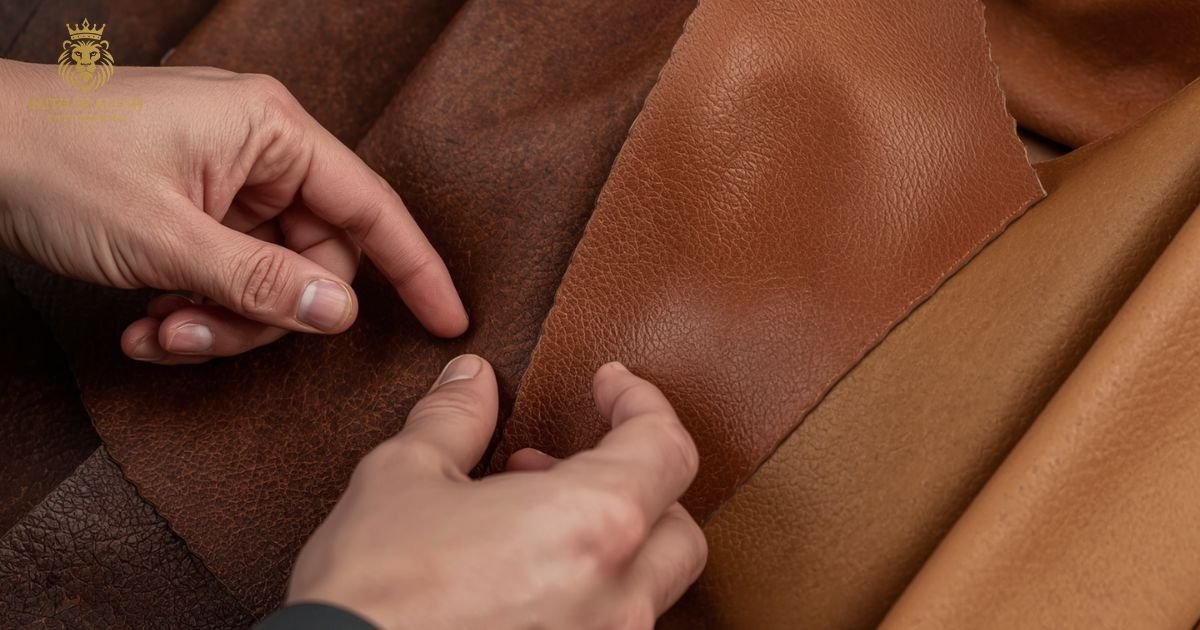
- The touch test. I press the surface. Quality leather feels firm yet supple, never stiff like cardboard or squishy like plastic.
- The stitching check. I look for tight, even stitches. Loose threads or skipped stitches mean corners were cut elsewhere too.
- The hardware test. I tug the zippers and clasps. Cheap, lightweight metal that wobbles is a sign the maker saved money on everything.
- The edge inspection. I check the edges. Clean, sealed, smooth edges signal craftsmanship. Rough or over-painted edges signal the opposite.
My hard lesson? I once bought a “leather” tote on sale because it looked stunning in photos. Six months later, the coating flaked off in sheets. That bag taught me to feel the leather, not fall for the picture.
The Leather Working Group, a respected industry body, stresses tannery quality and responsible sourcing as marks of good leather. When a brand shares where and how their hides are tanned, that transparency is usually a green flag.
Mini-summary: Use your hands, check the details, and never buy on looks alone.
Maintenance Tradeoffs by Leather Type
Every leather has a price beyond the sticker the time you spend caring for it. Some bags are nearly fuss-free. Others need regular love.
| Leather Type | Cleaning Effort | Conditioning Frequency | Main Vulnerability |
| Full-grain | Low | 2–4 times/year | Scratches (often blend in) |
| Top-grain | Low | 2–3 times/year | Surface scuffs |
| Genuine | Medium | As needed | Cracking, peeling |
| Suede/Nubuck | High | Special products | Water, stains |
Good news about full-grain leather: scratches often buff out or simply melt into the patina. Suede, on the other hand, demands a protective spray and a gentle brush to stay sharp.
The takeaway is simple. The less time you’ll spend on leather care, the more you should lean toward smooth full-grain or top-grain finishes.
Mini-summary: Pick a leather whose upkeep matches your real-life patience level.
How Does Leather Choice Affect a Bag’s Longevity and Value?
This is where the best leather for leather bags really proves its worth. The right leather isn’t just prettier it’s cheaper in the long run.
Think about cost per use. A $300 full-grain bag that lasts 15 years costs about $20 a year. A $90 bonded bag that dies in 2 years costs $45 a year, and you’ve now bought it twice.
Quality leather also holds resale value. Well-kept full-grain bags from solid makers often sell secondhand for a real chunk of their original price. Bonded bags? They’re basically worthless once they peel.
There’s an emotional payoff too. A great leather bag becomes a companion. The patina it builds tells the story of your trips, your meetings, your everyday adventures and that character can’t be bought new.
Mini-summary: Better leather costs more today and far less over a decade.
Why Is Full-Grain Leather Considered the Best?
So why does full-grain leather keep winning every comparison? It comes down to four standout strengths:
- Strength. It uses the densest fibers in the hide, so it resists tearing and stretching for decades.
- Beautiful aging. Instead of wearing out, it develops a rich, glowing patina that gets better year after year.
- Breathability. Its natural, uncoated surface lets the leather breathe, which helps it stay supple over time.
- Real character. Every hide is unique, so your bag is genuinely one of a kind.
In short, it’s the rare product that improves with use instead of falling apart. That’s why leather experts and longtime bag owners keep coming back to it.
Mini-summary: Full-grain combines toughness, beauty, and lasting value better than any other option.
Conclusion
The best leather for leather bags combines strength, beauty, and durability. Full-grain leather is often considered the top option due to its premium quality and ability to develop a rich patina over time, while other leather types provide excellent alternatives for different needs and preferences.
FAQs
Which leather lasts the longest for bags?
Full-grain leather lasts the longest, often 10 to 20 years or more with basic care. Its tight, natural fibers resist wear far better than other grades. With regular conditioning, a full-grain bag can easily become a lifelong companion.
Is genuine leather good quality?
Genuine leather is real, but it’s one of the lower grades available. It’s made from leftover hide layers, so it wears faster and rarely ages well. It’s fine for budget accessories but not ideal for a bag you’ll carry daily.
What leather is best for everyday bags?
Full-grain leather is best for everyday bags because it handles constant use and only looks better over time. If your budget is tighter, top-grain leather offers strong durability at a friendlier price. Both beat bonded leather for daily wear by a wide margin.
Is full-grain leather worth the higher price?
Yes, for most buyers it’s worth it. A full-grain bag lasts years longer and often costs less per use than a cheap bag you replace repeatedly. It also holds resale value and develops a unique patina you simply can’t get otherwise.
How can you tell if a leather bag is real?
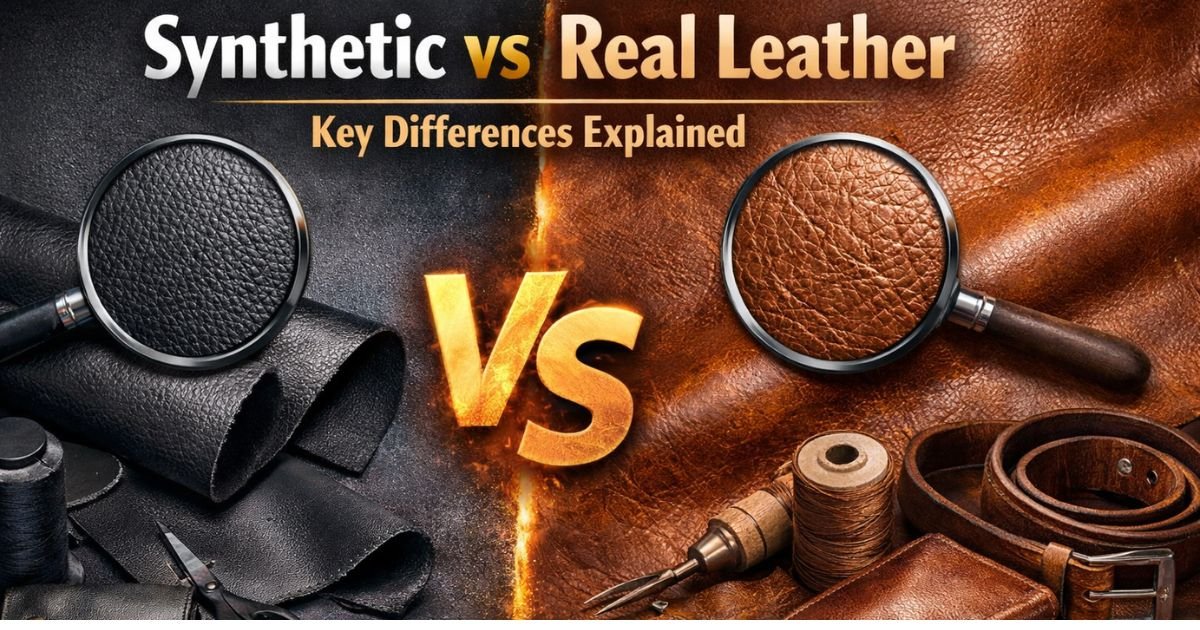
Real leather smells earthy, feels firm yet supple, and shows tiny natural surface marks. Fake or bonded leather often smells like plastic and feels uniformly smooth. Checking the edges, stitching, and price also helps you spot the real deal.
Does leather type affect resale value?
Absolutely. Full-grain bags from quality makers can resell for a meaningful share of their original price. Bonded and genuine leather bags lose value quickly because they wear out and rarely last long enough to resell.