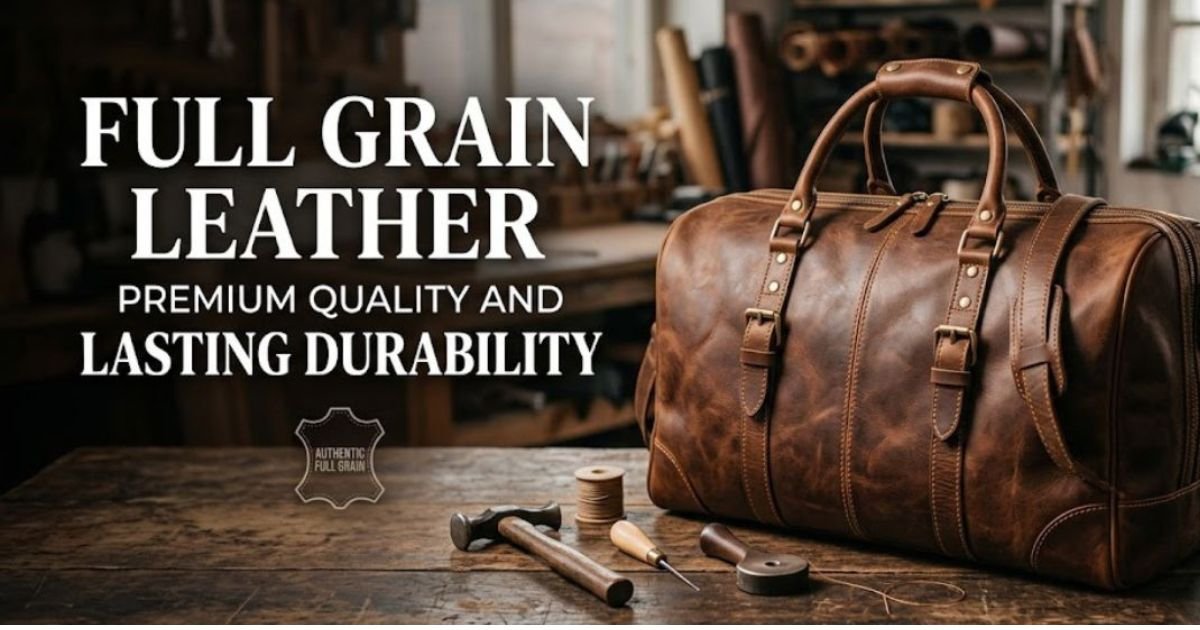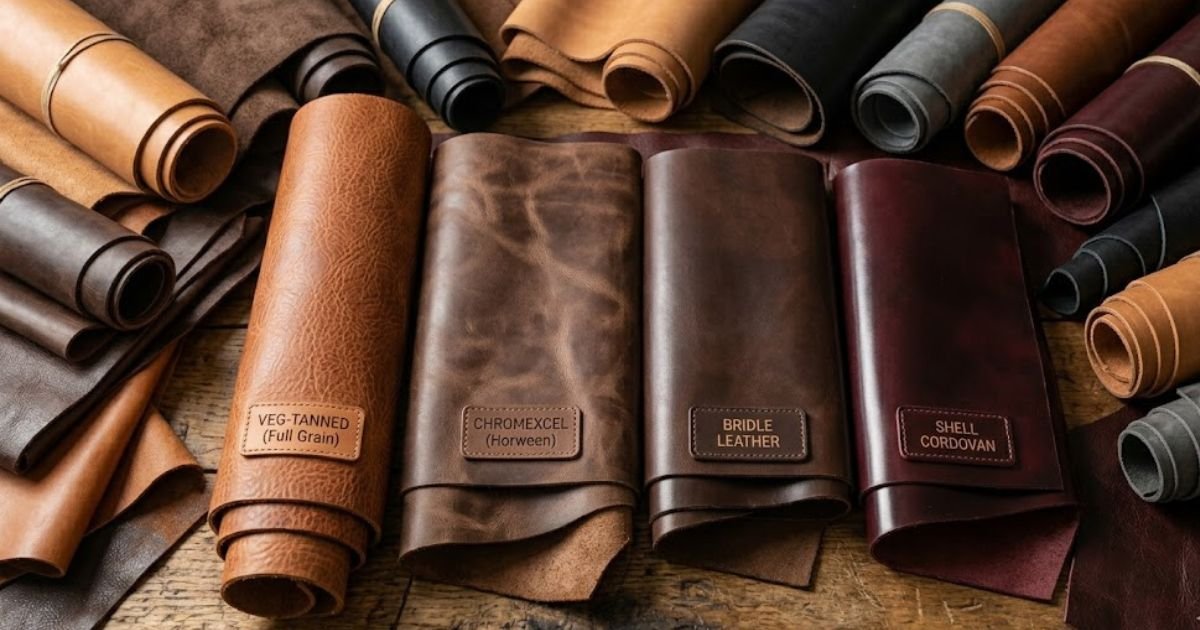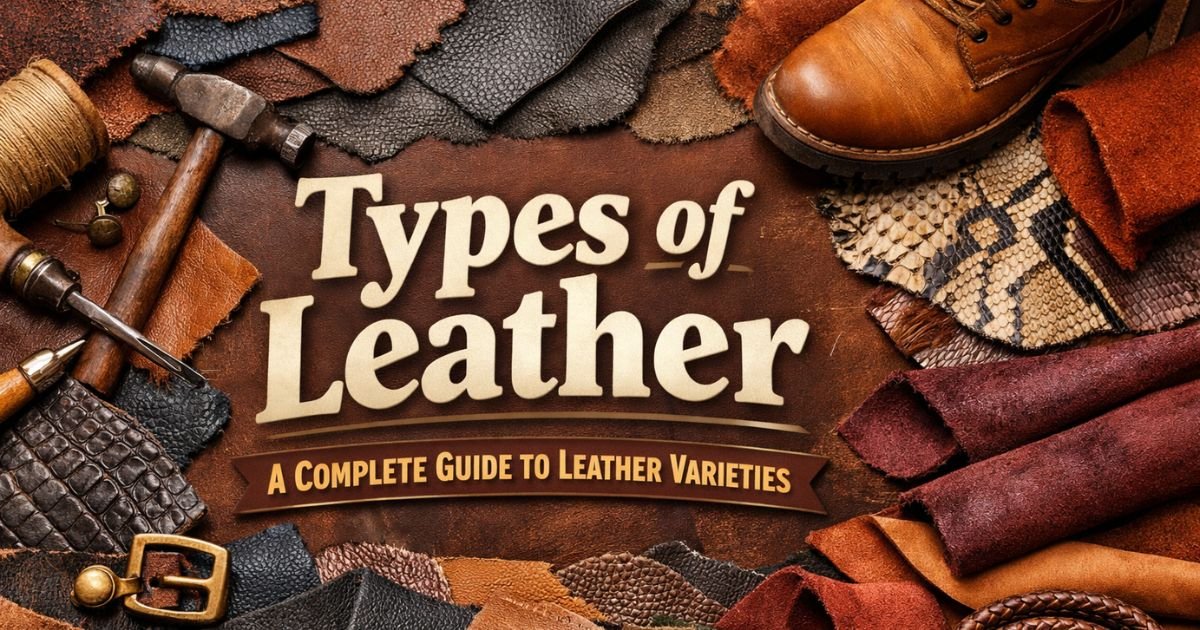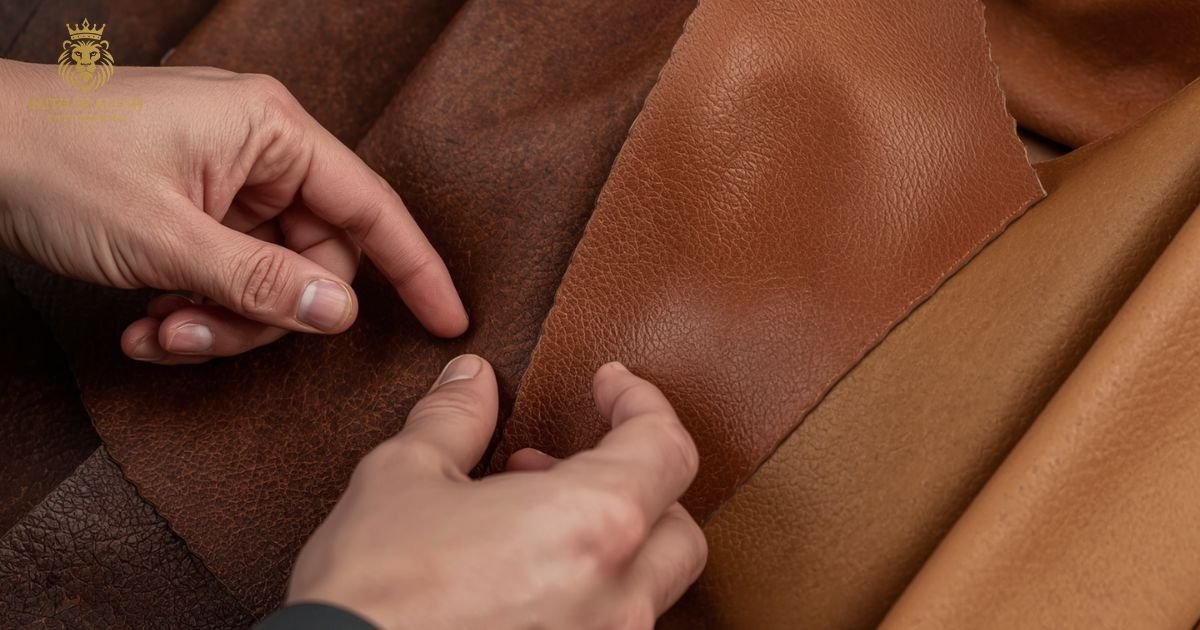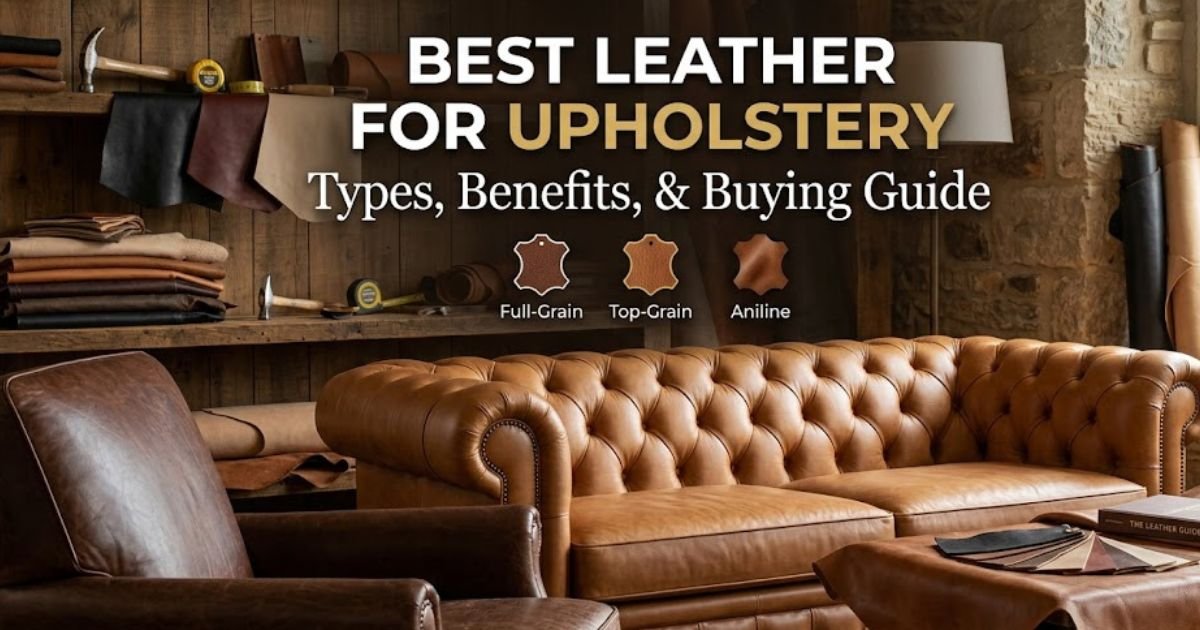
The best leather for upholstery depends on your budget, lifestyle, and furniture usage. Full-grain leather is widely considered the highest-quality option because it offers exceptional durability, natural beauty, and develops a rich patina over time. Top-grain leather is another popular choice, providing a smoother appearance while maintaining excellent strength and comfort. For homes with children, pets, or heavy daily use, protected or pigmented leather can offer greater resistance to stains and wear. Understanding the different leather types can help you choose upholstery that combines style, comfort, and long-term performance.
Leather Upholstery at a Glance Types Compared
Before we dig deep, here’s a quick snapshot of every common leather type side by side. Use this as your cheat sheet.
| Leather Type | Durability | Look & Feel | Maintenance | Best For | Price Range |
| Full Grain | Excellent | Natural, ages beautifully | Medium | Heirloom furniture | $$$$ |
| Top Grain | Very Good | Smooth, refined | Low–Medium | Everyday family use | $$$ |
| Corrected Grain | Good | Uniform, less natural | Low | Budget buyers | $$ |
| Split Grain | Fair | Stiff, coated | Medium | Light use only | $ |
| Bonded | Poor | Plastic-like | High | Avoid for real use | $ |
| Aniline | Good (gentle use) | Soft, rich, natural | High | Luxury, low-traffic rooms | $$$$ |
| Semi-Aniline | Very Good | Soft with light protection | Medium | Style plus durability | $$$ |
| Pigmented | Excellent | Uniform, tough | Low | Busy homes | $$$ |
A Quick Word on Leather Grades vs. Leather Finishes
People mix these two up all the time, and it costs them money. Let’s clear it up fast.
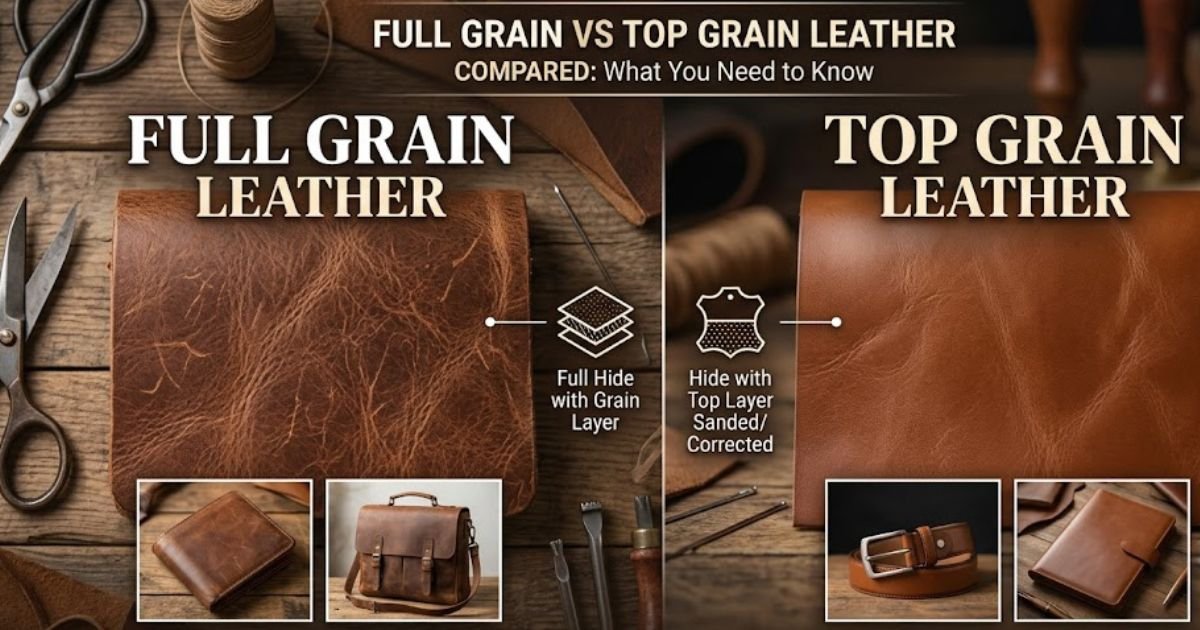
Grade tells you which part of the animal hide the leather came from. Finish tells you what coating sits on top to protect it. You can have a top grain leather with a heavy protective finish, or a full grain leather with almost no coating at all.
- Grade = the quality and layer of the hide (full grain, top grain, split)
- Finish = the surface treatment (aniline, semi-aniline, pigmented)
Once you understand both, you stop buying blindly and start buying smart.
The Main Types of Upholstery Leather, Explained
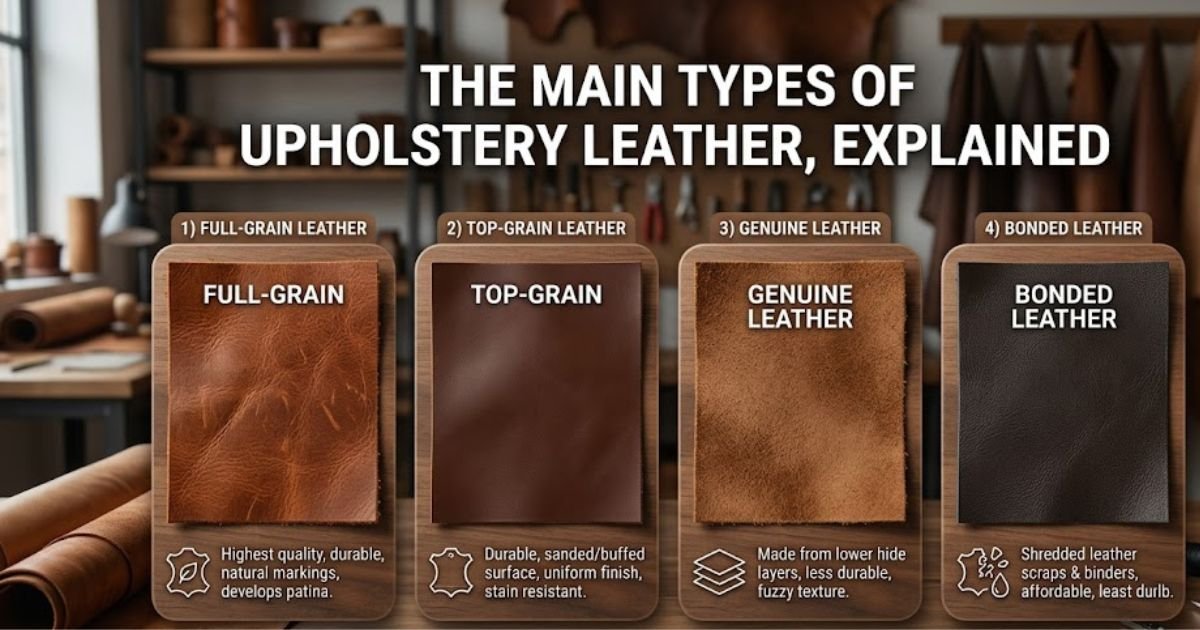
Now let’s meet each type properly. Think of this as speed-dating for leather.
Full Grain Leather
This is the top dog. Full grain uses the whole, natural surface of the hide, scars and all. Nothing gets sanded away. That means it’s the strongest, most breathable, and longest-lasting leather you can buy. Over time it develops a rich patina that soft, glowing wear that makes old leather look better, not worse.
Best for: People who want furniture that lasts 20+ years and don’t mind a premium price.
Top Grain Leather
Top grain is full grain’s sensible sibling. The very top layer gets lightly sanded to remove blemishes, then finished for a smooth, even look. You lose a little natural character but gain stain resistance and a friendlier price. For most buyers, top grain is the sweet spot.
Best for: Everyday family living rooms that need to look good and survive real life.
Corrected Grain Leather
Here the surface gets a heavier sanding and an embossed grain stamped on top. It looks uniform and clean, and it costs less. The trade-off is less natural beauty and a slightly stiffer feel.
Best for: Budget-conscious buyers who still want genuine leather.
Split Grain and Bonded Leather
Time for some honesty. Split grain comes from the lower layers of the hide and gets a coating to look like the real thing. Bonded leather is basically leather scraps glued together and pressed into sheets only about 10–20% actual leather.
A caution: bonded leather often peels and cracks within 2 to 5 years. If a deal seems too good to be true, it usually is.
Aniline, Semi-Aniline, and Pigmented Finishes
These three finishes decide how your leather handles real life.
- Aniline: Dyed but barely coated. Gorgeous and soft, but it stains if you look at it wrong. Save it for formal rooms.
- Semi-Aniline: A light protective layer over natural beauty. A smart middle ground for stylish homes with moderate use.
- Pigmented: A tougher coating that shrugs off spills, scratches, and sticky fingers. The hero finish for busy households.
How Do I Choose the Right Leather for Upholstery?
Choosing the right leather isn’t about picking the fanciest option. It’s about matching the leather to your life. Follow these six steps and you’ll get it right.
- Define your daily use. Is this sofa for movie marathons with the whole family, or a showpiece chair nobody touches? Heavy use needs tougher leather.
- Factor in pets and kids. Claws and juice boxes change everything. Lean toward protected finishes.
- Match finish to your patience. Love low maintenance? Choose pigmented. Happy to baby your furniture? Aniline can work.
- Check the thickness. Thicker leather resists wear better. Aim for hides around 1.2mm or more for seating.
- Set your budget honestly. Remember to think in cost-per-year, not just the sticker price.
- Always request samples. Feel it, scratch it, and view it in your own lighting before you commit.
This simple walkthrough answers the big question how to choose leather for upholstery — without the guesswork.
Best Leather for Homes With Pets and Kids
This is where most furniture buyers get burned, and it’s exactly where competitor guides go quiet. If you’ve got pets or kids, your leather needs armor.
The winner here is pigmented (protected) top grain leather or protected full grain. The tough surface coating resists scratches, repels spills, and wipes clean in seconds. Soft aniline leather, by contrast, soaks up stains like a sponge.
Look for these pet- and kid-friendly traits:
- Thick protective finish that resists claw marks
- Smooth, sealed surface that wipes clean
- Darker or mid-tone colors that hide minor scuffs
- High abrasion resistance rating
Why Protected Leather Beats Aniline for Busy Households
Here’s the plain truth. Aniline leather is breathtaking, but it has almost no protective coating. A single grape juice spill or one excited puppy can leave a permanent mark.
Pigmented leather trades a touch of that natural softness for serious toughness. Spills bead up. Scratches buff out. A quick wipe with a damp cloth handles most messes. For a home full of activity, that durability isn’t just nice it’s the difference between furniture you love and furniture you regret.
Best Leather for High-Traffic and Heavy-Use Furniture
Some furniture works overtime. The family-room sofa, the office reception couch, the restaurant booth these take a beating every single day. For these, durability rules.
Your best bet is thick top grain leather with a pigmented finish. It handles constant friction, resists fading, and bounces back from daily wear. Full grain works too if your budget allows, but the protected finish is what really keeps high-traffic pieces looking fresh.
When shopping for heavy-use furniture, prioritize these durability factors:
- Abrasion resistance how well it survives constant rubbing
- Thickness thicker hides outlast thin ones every time
- Finish type pigmented beats aniline for daily punishment
- Tannage quality well-tanned leather stays supple longer
Which Leather Is Best for Each Furniture Type?
Not every piece of furniture needs the same leather. Here’s a quick, practical match-up so you can buy with confidence.
| Furniture Type | Recommended Leather | Why |
| Sofa (family) | Pigmented top grain | Handles daily use and spills |
| Couch (formal) | Semi-aniline | Balances beauty and durability |
| Sectional | Protected top grain | Large surface, heavy use |
| Recliner | Pigmented leather | Constant movement and friction |
| Dining chairs | Pigmented top grain | Food and drink resistance |
| Bar stools | Corrected or pigmented grain | High use, easy cleaning |
| Restaurant seating | Commercial pigmented leather | Built for constant traffic |
The pattern is clear: the harder a piece works, the more you want a protected finish.
Buy Now: azzurro-leather
Leather vs. Fabric vs. Faux Leather Which Should You Pick?
This is the showdown buyers wrestle with most. Let’s settle it with a fair, side-by-side look.
| Factor | Real Leather | Fabric | Faux Leather |
| Durability | Excellent | Varies | Fair |
| Comfort | Cool, ages well | Soft, cozy | Can feel sticky |
| Maintenance | Easy (wipe clean) | Stains easily | Easy at first |
| Cost | High upfront | Low–Medium | Low |
| Lifespan | 15–25+ years | 5–10 years | 2–5 years |
| Look | Premium, natural | Casual to formal | Mimics leather |
The verdict: Choose real leather if you want long-term value and easy cleaning. Choose fabric if you crave cozy comfort on a budget. Choose faux leather only for short-term needs or low-use spots it tends to peel and crack far sooner than the real thing.
Buy Now: Men’s Olive Green Leather Jacket
How Long Does Leather Upholstery Last?
This is the question that should drive your whole decision. Quality leather isn’t cheap, but it’s an investment and the lifespan gap between types is huge.
Here’s roughly how long each type lasts with normal care:
- Full grain: 20–25+ years
- Top grain: 15–20 years
- Corrected grain: 10–15 years
- Split grain: 5–10 years
- Bonded leather: 2–5 years
The biggest lifespan booster isn’t fancy leather it’s care. Condition it, keep it out of direct sun, and wipe spills fast, and even mid-range leather can outlive its estimate.
How to Care for and Maintain Leather Upholstery
Good news: keeping leather beautiful is easier than you think. Follow this simple routine and your furniture will thank you for years.
- Dust weekly with a soft, dry cloth.
- Wipe spills immediately before they soak in.
- Condition twice a year to keep the leather supple.
- Keep it out of direct sunlight to prevent fading.
- Vacuum crevices monthly to clear crumbs and grit.
A quick do-and-don’t to remember:
- Do use a leather-specific cleaner and conditioner.
- Don’t use harsh chemicals, baby wipes, or abrasive sponges.
That’s it. Five minutes a week protects a purchase meant to last decades.
How Much Does Upholstery Leather Cost?
Leather is priced per square foot, not by the yard like fabric. A standard sofa needs roughly 50–60 square feet, so small per-foot differences add up fast.
| Leather Type | Value Verdict |
| Full Grain | Best long-term value |
| Top Grain | Smart everyday choice |
| Corrected Grain | Budget-friendly |
| Split Grain | Light use only |
| Bonded | Often a false bargain |
Here’s the honest math: cheaper leather often costs more over time. A bonded sofa replaced every three years can easily out-spend a full grain sofa that lasts twenty. Buy once, buy well.
Buy Now Crocodile Embossed Leather Jacket with Mink Fur
Expert Insight What Upholsterers Wish Buyers Knew
After years of working hands-on with hides cutting them, stitching them, and seeing which ones come back damaged a few truths stand out. These are the things pros wish every shopper knew before they bought.
- Always order samples. Photos lie. Lighting, texture, and color shift dramatically in person.
- Test it in your own room. Leather that looks warm in a showroom can look gray under your home’s light.
- Feel the thickness. Thin, flimsy leather is the number-one early failure we see.
- Don’t trust the “genuine leather” label. Ironically, “genuine leather” is often a lower grade than top or full grain. The name is marketing, not a quality promise.
- Finish beats grade for busy homes. A well-protected top grain often outlasts a delicate full grain in a house full of kids.
The leathers that age best are almost always the ones chosen for the right room not just the prettiest ones on the floor.
How Much Leather Do You Need for Reupholstering?
If you’re reupholstering rather than buying new, estimating your leather is easier than you’d guess. Leather is sold by the hide, and hides come in irregular shapes, so always plan for a little waste.
Here’s a rough starting guide:
- Dining chair seat: 5–8 square feet
- Armchair: 30–40 square feet
- Loveseat: 40–50 square feet
- Standard sofa: 50–70 square feet
- Large sectional: 80–120 square feet
Add a 15–20% buffer for cuts, mistakes, and matching grain direction. It’s always cheaper to buy a little extra than to run short mid-project.
Conclusion
Choosing the best leather for upholstery requires balancing appearance, durability, maintenance, and budget. Full-grain leather remains the premium choice for longevity and character, while top-grain and protected leathers provide excellent practicality for everyday living. By selecting the right leather type for your needs, you can enjoy beautiful, comfortable furniture that lasts for many years.
FAQs
What type of leather is best for upholstery?
Full grain leather is the best for durability and longevity, while top grain offers the best balance of beauty, toughness, and price. For most homes, a top grain leather with a protected finish is the smartest all-around choice.
What is the most durable leather for upholstery?
Full grain leather is the most durable because it uses the entire natural hide with no sanding. With proper care, it can last 20 to 25 years or more, easily outlasting every other type.
Is full grain or top grain leather better for furniture?
Full grain is tougher and develops a beautiful patina, but it costs more and shows wear naturally. Top grain is more stain-resistant, more affordable, and better suited to busy family homes, making it the better pick for most people.
What leather is easiest to clean and maintain?
Pigmented (protected) leather is the easiest to clean because its surface coating repels spills and resists stains. A quick wipe with a damp cloth handles most messes, making it ideal for kids and pets.
Is leather upholstery worth it?
Yes, quality leather upholstery is worth it for most buyers because it lasts far longer than fabric or faux leather. While the upfront cost is higher, the long lifespan makes the cost-per-year surprisingly low.
How thick should upholstery leather be?
Upholstery leather should generally be around 1.2mm to 1.6mm thick for seating. Thicker hides resist wear, cracking, and stretching better, which is especially important for high-traffic furniture.