Leather grades and quality play a major role in determining the durability, appearance, and value of leather products. Leather is commonly categorized into full-grain, top-grain, genuine leather, split leather, and bonded leather. Each grade has unique characteristics that affect its strength, texture, and longevity. Understanding these differences can help consumers make informed decisions when purchasing leather furniture, bags, shoes, belts, or other leather goods.
Why Leather Quality Confuses Almost Everyone
Here’s the dirty little secret of the leather world: the labels are designed to sound impressive, not to tell the truth.
The biggest offender? “Genuine leather.” It sounds premium. It feels like a promise. But in reality, it’s often one of the weakest grades you can buy. That single phrase has tricked millions of shoppers into overpaying for couches and bags that crack within a few years.
Understanding leather grades and quality is the one skill that protects your wallet. Once you know what the words really mean, no salesperson can fool you again.
By the end of this guide, you’ll know:
- What each leather grade actually is explained in plain English
- How to test leather quality with your own hands in under a minute
- Which leather is best for sofas, bags, jackets, and boots
- Which myths cost people money and how to dodge them
No jargon. No fluff. Just the stuff that helps you buy smart.
Buy Now: Black Leather Puffer Jacket
What Are the Different Leather Grades? (Best to Worst)
Leather isn’t one single material. It’s more like a ladder, with the toughest, most natural leather at the top and the cheap glued stuff at the bottom.
Here’s the full breakdown in one clean leather quality chart:
| Leather Grade | Quality Level | Durability | Appearance | Typical Price | Best Uses |
| Full-grain | Highest | Excellent (20+ years) | Natural marks, rich patina | $$$$ | Heirloom bags, fine furniture, boots |
| Top-grain | High | Very good (10–20 years) | Smooth, uniform | $$$ | Sofas, wallets, jackets |
| Split-grain | Medium | Moderate | Soft, often suede | $$ | Suede shoes, casual bags |
| Genuine | Low | Poor (2–5 years) | Coated, plasticky | $ | Cheap accessories, belts |
| Bonded | Lowest | Very poor (1–3 years) | Fake stamped grain | ¢ | Budget furniture, fast fashion |
Now let’s meet each grade up close.
Full-Grain Leather The Top Tier
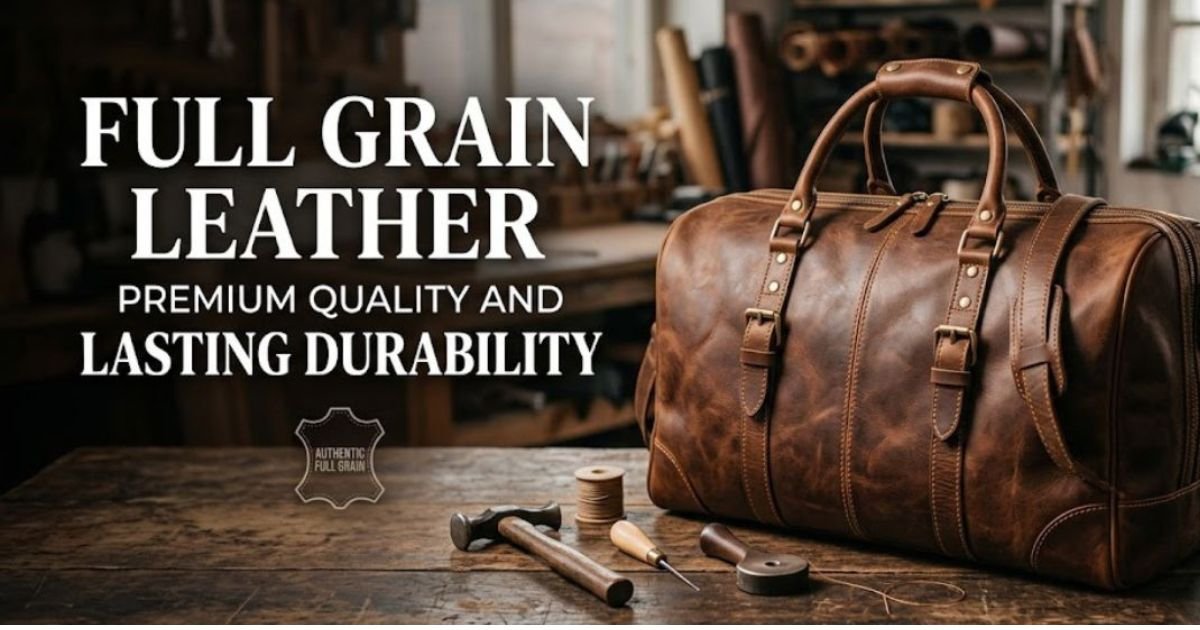
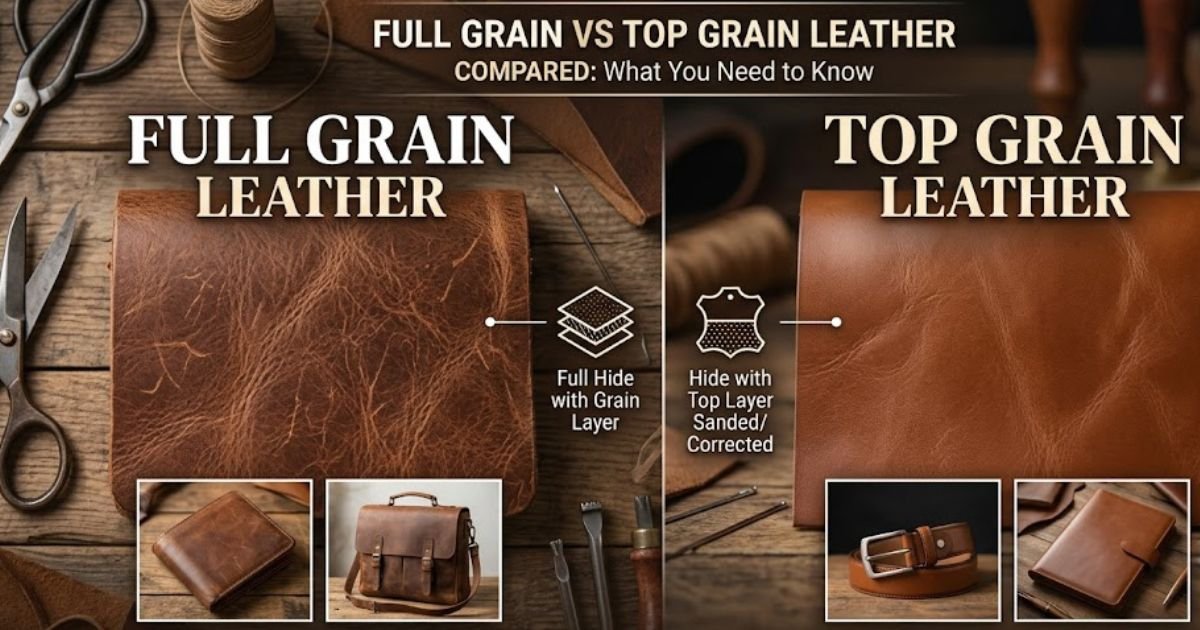
Full-grain leather is the whole, untouched top of the hide. Nobody sands it. Nobody buffs it. Every scar, wrinkle, and tiny bug bite stays right where nature put it.
That might sound like a flaw, but it’s the opposite. Those marks prove it’s the real deal. The tightly packed fibers near the surface make full-grain incredibly strong, and over the years it develops a warm, glossy patina that cheaper leather can never fake. A good full-grain bag can outlive its owner.
Top-Grain Leather The Refined Runner-Up
Top-grain leather is full-grain’s polished cousin. Tanneries sand away the very top layer to erase blemishes, then add a smooth, even finish.
The result looks cleaner and more uniform, which many people love. The tradeoff? Sanding removes some of the strongest fibers, so top-grain doesn’t last quite as long as full-grain. It also won’t develop that deep patina. Still, it’s a genuinely high-quality choice, and it’s often softer right out of the box.
Split-Grain Leather The Middle Ground
Split-grain leather comes from the lower layers of the hide, after the top has been peeled away. It’s weaker because it misses that dense surface grain.
You probably know it best as suede soft, fuzzy, and lovely to touch. It works well for casual shoes and bags, but it scuffs easily and soaks up water like a sponge.
Genuine Leather The Misunderstood Label
Time to bust the biggest myth in leather.
Genuine leather is real leather but “genuine” only means “this came from an animal,” not “this is good.” It’s usually made from leftover lower layers, heavily processed and coated to look presentable.
Myth-buster: “Genuine leather” is one of the lowest quality grades, despite sounding like the best. Don’t let the name fool you.
Bonded Leather Barely Leather at All
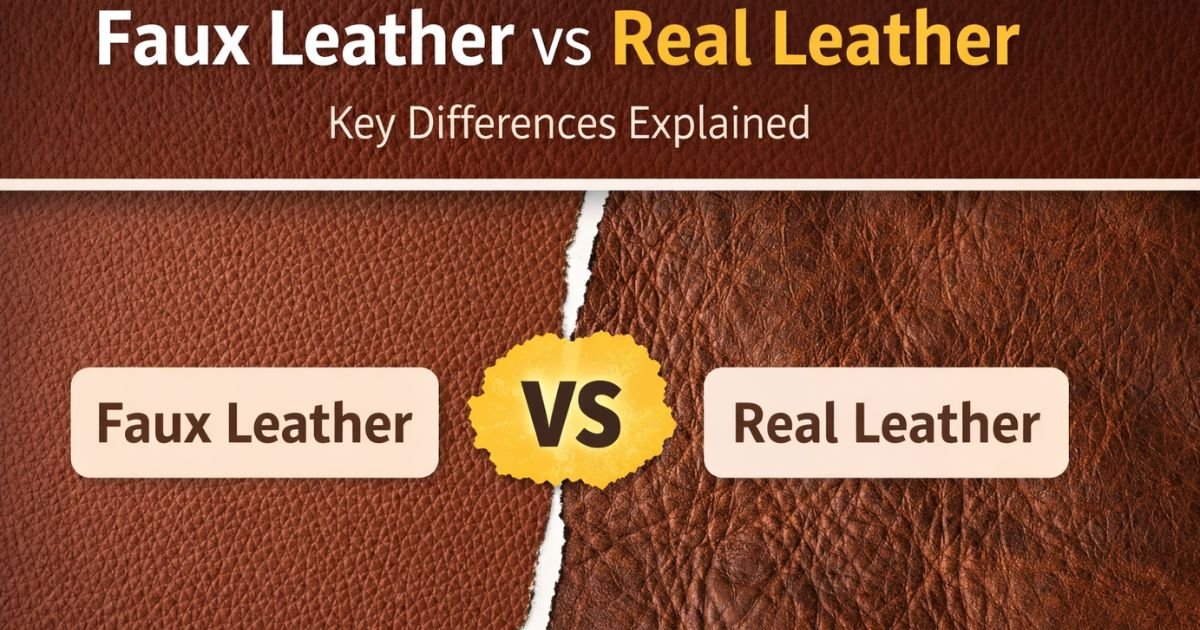
Bonded leather is the hot dog of the leather world: a mush of leather dust, scraps, plastic, and glue pressed into sheets, then stamped with a fake grain pattern.
It’s cheap, and it acts cheap. Bonded leather tends to peel and crack within a couple of years. If you’ve ever seen a sofa “shedding” little flakes, you’ve met bonded leather.
Buy Now: White Leather Puffer Jacket
How Is Leather Actually Graded? (From Hide to Finished Product)
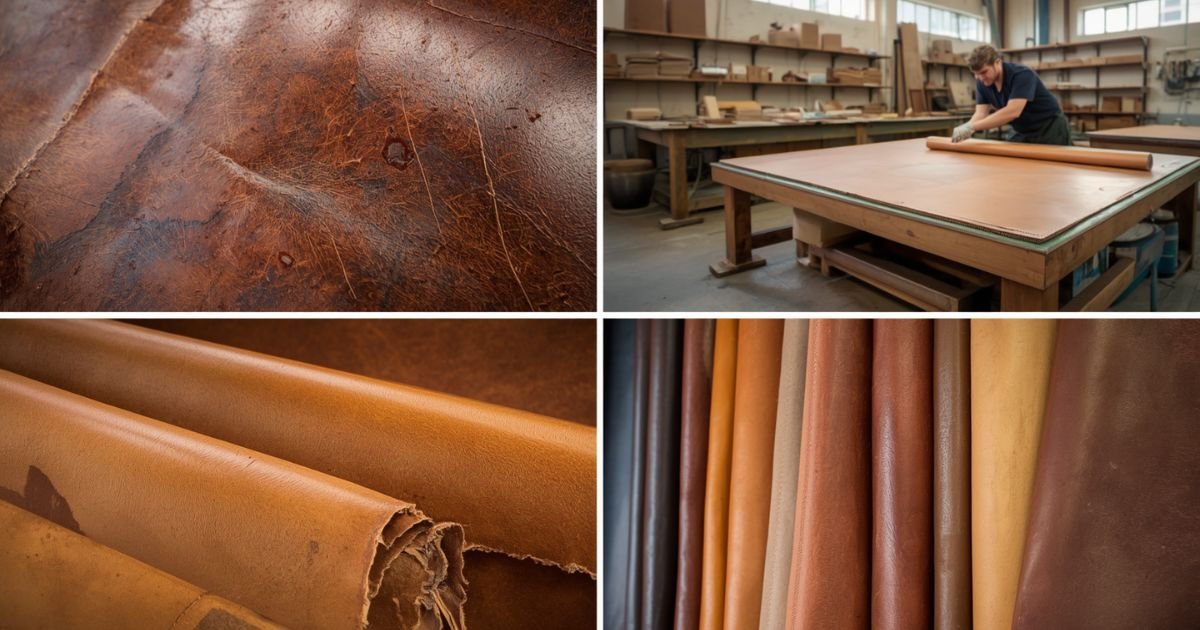
Ever wonder how one cow’s hide becomes five different qualities of leather? It all comes down to a few steps at the tannery.
Here’s how leather is graded, step by step:
- Splitting the hide. A raw cowhide is thick around 6mm to 10mm. Machines slice it to the right thickness for its future job. Upholstery leather gets thinned to about 1.2mm, while a sturdy belt might stay around 4mm.
- Separating top from bottom. The hide splits into two layers. The top layer is the prize it holds the natural grain and the strongest fibers. The bottom layer is softer and weaker.
- Finishing the top layer. If the top is left untouched, you get full-grain leather. If it’s sanded and refinished to look smooth, you get top-grain leather.
- Processing the lower layers. The bottom split becomes split-grain, genuine, or bonded leather, depending on how much glue, coating, and correction gets added.
The simple rule: the closer the leather is to the natural top of the hide, the higher its quality.
How Can You Tell If Leather Is High Quality? (5 Real-World Tests)
You don’t need a lab coat to judge leather. You just need your hands, your nose, and 60 seconds. Here’s exactly how to tell if leather is high quality before you spend a dime.
1. The Touch Test Texture and Suppleness
Press your finger into the surface. Good leather wrinkles softly and bounces back, like real skin. Cheap leather feels stiff, plasticky, or oddly perfect.
2. The Smell Test Natural vs. Chemical
Give it a sniff. Real, high-quality leather smells earthy and rich. If you get a strong chemical or plastic odor, you’re probably holding bonded or heavily coated leather.
3. The Surface Test Pores, Grain, and Imperfections
Look closely. Full-grain leather shows tiny pores and uneven natural markings. A surface that looks too uniform like it was printed is usually corrected or fake grain.
4. The Water Test Absorption vs. Beading
With permission, dab a drop of water on a hidden spot. Full-grain leather slowly absorbs it. Coated, low-grade leather makes the water bead up and sit on top because the pores are sealed.
5. The Edge & Stamp Check Reading the Underside
Flip it over and check the edges. Real leather has a fibrous, fuzzy back. Bonded leather often shows a fabric backing or a perfectly smooth, glued layer. Many real leather goods are also stamped on the underside with their grade.
Run these five tests and you’ll spot quality faster than most store clerks.
Buy Now: Full-Grain Leather Coat
Which Leather Grade Lasts the Longest? (Durability Breakdown)
If you want leather that survives kids, pets, and decades of daily use, durability matters more than looks.
The secret is fiber density. The tighter the fibers, the longer the leather lasts. Since full-grain keeps the densest part of the hide intact, it wins every time.
Here’s the durability ranking, strongest first:
- Full-grain built to last a lifetime
- Top-grain strong, just a step below
- Split-grain moderate, prone to scuffs
- Genuine weak, often peels
- Bonded flakes apart fastest
| Grade | Expected Lifespan | Cracks or Peels? | Develops Patina? |
| Full-grain | 20+ years | Rarely | Yes, beautifully |
| Top-grain | 10–20 years | Occasionally | Slightly |
| Split-grain | 5–10 years | Sometimes | No |
| Genuine | 2–5 years | Often | No |
| Bonded | 1–3 years | Almost always | No |
So does genuine leather crack or peel? Yes, often, because its coated surface wears down quickly. And is bonded leather durable? Honestly, no it’s the shortest-lived option on the shelf.
Best Leather Grade by Use Case (Furniture, Bags, Jackets, Wallets)
The “best” leather isn’t always the most expensive one. It depends on what you’re buying and how hard you’ll use it.
Best Leather for a Sofa or Couch
For a sofa that gets daily use, top-grain leather is usually the sweet spot. It resists stains, wipes clean easily, and looks elegant for years. If you want a piece that ages with character and you don’t mind a higher price, full-grain is the best leather for a sofa that becomes a family heirloom.
A quick tip: many quality couches use lightly buffed top-grain on the seats for durability and full-grain accents elsewhere. That blend gives you toughness where you sit most.
Best Leather for Bags and Wallets
For bags and wallets, go full-grain every time you can. These items take a beating — keys, coins, pockets, weather and full-grain handles it all. Better yet, it grows more handsome with each scratch, building that signature patina that makes vintage leather goods so loved.
Best Leather for Jackets and Boots
Jackets and boots need a balance of flexibility and toughness. Full-grain works beautifully for rugged boots, while softer top-grain or specially treated leathers feel better for jackets you’ll wear all day. Lambskin is buttery soft; cowhide is tougher. Pick based on whether you want comfort or armor.
When Cheaper Grades Actually Make Sense
Let’s be honest not everything needs museum-grade leather. If you’re buying a trendy bag you’ll swap out next year, or a belt for occasional wear, split-grain or genuine leather can be a reasonable budget pick. The trick is matching the grade to how long you actually need it to last.
Buy Now: Italian Womens Leather Coat
Leather Myths That Cost You Money
A few stubborn myths drain wallets every single day. Let’s set the record straight.
| The Myth | The Truth |
| “Genuine leather is premium.” | It’s actually one of the lowest real-leather grades. The name is marketing, not quality. |
| “Top-grain is the highest grade.” | Nope full-grain sits above it. Top-grain is excellent, just not the peak. |
| “Thin leather is always low quality.” | False. Thin full-grain leather is still strong because its fibers are dense. Thinness alone tells you nothing. |
| “All real leather lasts forever.” | Only the good grades do. Bonded and genuine leather can fall apart in a few years. |
So is genuine leather actually real leather? Yes it’s just real low-grade leather. Knowing that one fact alone can save you hundreds of dollars.
From the Workshop What Years Around Leather Taught Me
I’ll never forget the customer who marched back into a showroom, furious about a “defect.” She’d spotted a faint scar and a couple of tiny marks on her brand-new full-grain sofa and assumed she’d been sold a damaged piece.
Here’s the twist: those marks were proof she’d bought the best leather money could buy. Natural scars, insect bites, and stretch marks only survive on genuine full-grain hides — the kind that haven’t been sanded smooth. Once she understood that, her “flaw” became her favorite feature.
That’s the gap between how buyers think and how experts see. Most shoppers chase a flawless, uniform surface. But that perfect look usually means the leather was corrected, coated, or faked. The pros look for the opposite: visible pores, a deep natural scent, and a fibrous edge.
My one insider tip: before you buy anything, flip it over and check the edge and underside. The back of the leather tells the truth that the front tries to hide. That single move reveals more about real leather grades and quality than any glossy product tag ever will.
Buy Now: Men’s Stylish Al-Mahdi Bomber Jackets
Conclusion
Knowing the various leather grades and quality levels can help you choose products that match your needs and budget. Full-grain leather offers the highest durability and natural beauty, while top-grain leather provides a refined appearance with excellent performance. Lower-grade options may be more affordable but often sacrifice longevity. By understanding leather quality, you can invest in products that provide better value and long-term satisfaction.
FAQs
What is the highest quality leather?
Full-grain leather is the highest quality leather you can buy. It uses the entire untouched top of the hide, making it the strongest, most natural, and longest-lasting option. It also develops a beautiful patina as it ages.
What is the difference between full-grain and top-grain leather?
Full-grain keeps the hide’s surface completely intact, while top-grain has its top layer sanded and refinished. This makes full-grain stronger and more natural-looking, while top-grain looks smoother and more uniform but lasts a bit less.
Is genuine leather good or bad quality?
Genuine leather is real but low quality. The name sounds premium, yet it’s usually made from heavily processed lower hide layers. It tends to wear out and peel faster than full-grain or top-grain leather.
What is the lowest grade of leather?
Bonded leather is the lowest grade. It’s made from leather scraps, plastic, and glue pressed into sheets, then stamped with a fake grain. It commonly cracks and peels within just a few years.
Is full-grain leather worth the extra money?
Yes, for items you’ll use often and keep for years. Full-grain can last decades and looks better with age, making it cheaper per year than constantly replacing low-grade leather. For short-term or low-use items, a cheaper grade may be fine.
How can you tell if leather is real?
Check the smell, surface, and edges. Real leather smells earthy, shows natural pores and slight imperfections, and has a fibrous back. Fake or bonded leather smells chemical, looks too uniform, and often has a fabric or plastic backing.